The Cell BriefLongevity
Glutathione: The Body's Own Three-Bead Guardian
Meet the tiny three-bead peptide nearly every cell makes to catch its sparks, and the studies in older adults that have scientists curious.

Every fire throws sparks. Your cells burn fuel all day to make energy, and they throw tiny sparks too.
So nearly every cell keeps its own guardian on hand to catch them. It is a peptide just three building blocks long, and your body makes it itself. Its name is glutathione.
Aging researchers are excited about it too. In a small 2023 trial, older adults who got glutathione's building blocks saw their muscle levels climb close to those of young adults.
What it is
A peptide is a short chain of amino acids. Think of amino acids as beads and a peptide as a short bead bracelet. New to this? Start with what a peptide is.
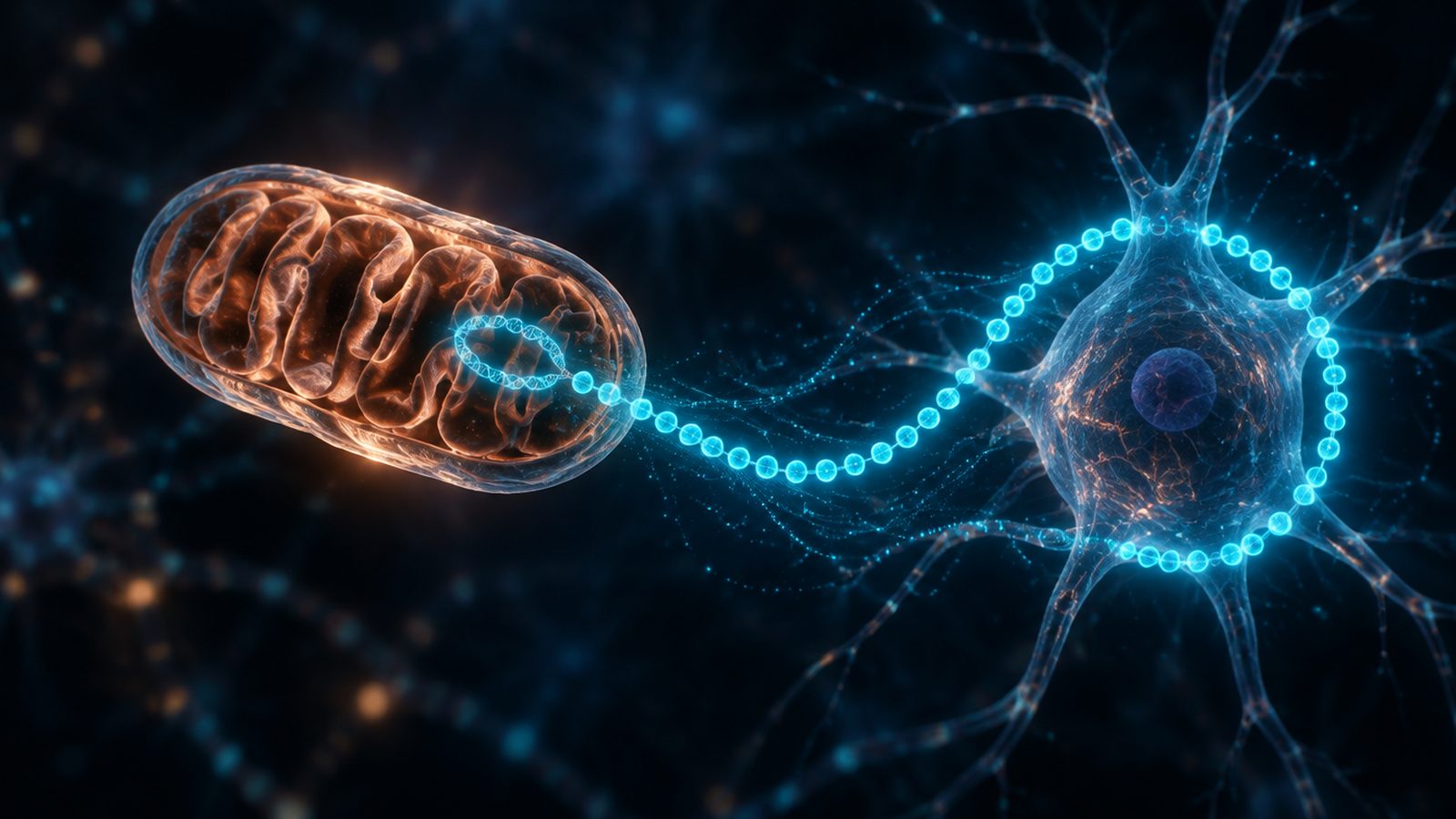
Glutathione is one of the smallest bracelets around. It has just three beads: glutamate, cysteine and glycine.
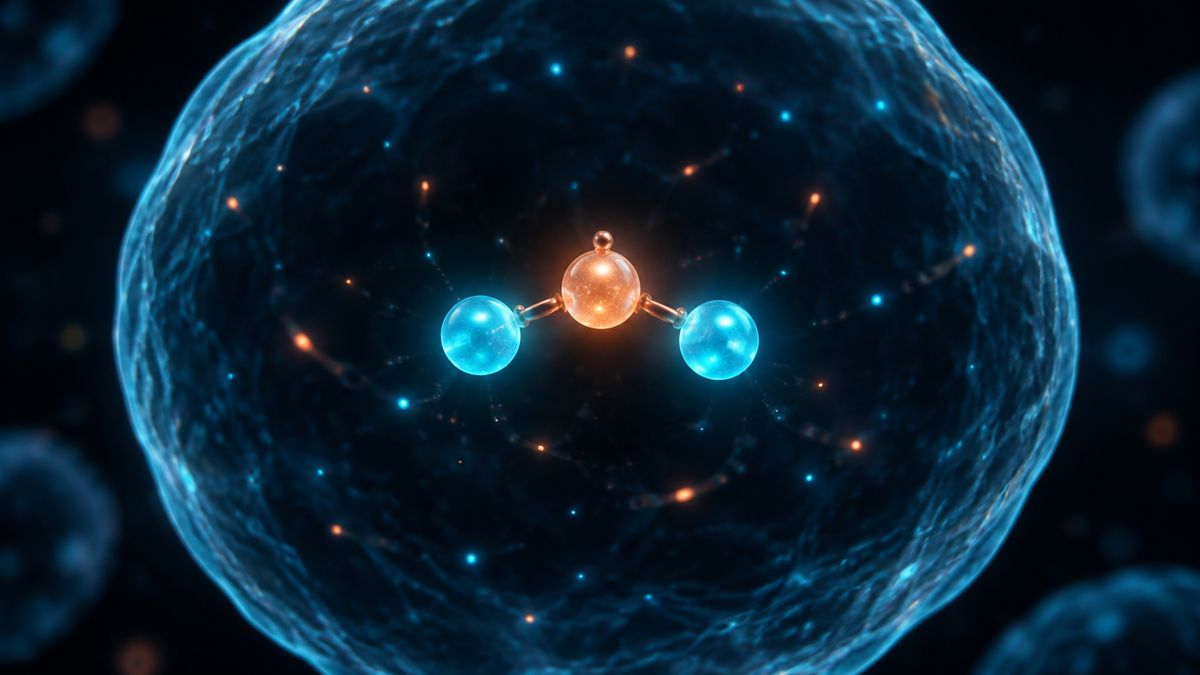
Cells build it themselves, in the watery middle of the cell. It turns up in every tissue of the body. The liver holds the most.
It is the most plentiful antioxidant your cells make. That is why some people call it the "master antioxidant."
What it does in the body
Those sparks have a science name: free radicals. Think of them as embers that pop out of a fireplace. A few are normal. Too many can harm the cell's parts. Scientists call that harm oxidative stress.
An antioxidant is a helper that calms the sparks. Glutathione works like a fire screen. It meets the embers and cools them before they can burn.
The middle bead, cysteine, carries a tip made of sulfur. That clever little tip does most of the work.
Glutathione has a second job. It helps clear out waste, a big task in the liver. It grabs onto some foreign chemicals, like a tag on a trash bag, so the body can get rid of them.
Levels can drop with age. In one small trial, adults aged 61 to 80 had about a third as much glutathione in their muscle as young adults. So researchers got curious about topping it back up.
What scientists have found
In cells: A 2014 study showed how much cells lean on glutathione. Scientists drained it out of cancer cells in a dish. Many of the cells died from a spark-driven kind of damage. Adding glutathione back saved them.
Some cancer researchers now study this as a possible weak spot in tumor cells.
In animals: In a striking 2022 study, mice got two of glutathione's building blocks in their food. One was glycine. The other was NAC, a form of cysteine. Together, the pair is called GlyNAC.
The mice started at 65 weeks old. The 16 mice on GlyNAC lived about 24 percent longer than 16 mice on plain food. That was about 129 weeks versus 104.

Old mice in the same study had 65 to 72 percent less glutathione in the heart, liver and kidneys than young mice. GlyNAC made up for that drop.
In people: The most encouraging results come from older adults.
In a 2023 trial, 24 healthy adults aged 61 to 80 got GlyNAC or a placebo, a dummy look-alike, for 16 weeks. In the GlyNAC group, glutathione rose. In muscle, it climbed close to young-adult levels. They also walked faster and gripped harder. The placebo group did not improve.
Can glutathione itself survive the gut, which breaks down much of what we eat? A trial published in 2015 followed 54 healthy adults for six months. Some took glutathione and some took a placebo. In those who took it, glutathione in the blood rose over time. A month after they stopped, levels fell back.
A shorter 2022 trial of 114 older adults saw no overall rise in two weeks, though levels did rise in a smaller group who started low.
Where it stands
In the U.S., glutathione is sold as a dietary supplement, not as an FDA-approved medicine. The FDA has said that injectable skin-lightening products, some made with glutathione, are unapproved drugs that may be unsafe.
The exciting next step is bigger, longer studies in people. Researchers also want to learn why some people respond more than others.
Glutathione is one to watch. For another peptide that aging researchers love, see Humanin.
The bottom line
- Glutathione is the body's own three-bead guardian, a peptide your cells make to calm their "sparks."
- In older mice, its building blocks raised glutathione and helped them live about 24 percent longer.
- In a small 16-week trial, older adults' muscle glutathione climbed close to young levels. Bigger trials are the exciting next step.
FAQ
Questions people ask
- What is glutathione?
- Glutathione is the body's own antioxidant guardian. It is a peptide, a short chain of just three amino acids: glutamate, cysteine and glycine. It is the most plentiful antioxidant your cells make.
- Can glutathione make it through the gut?
- Scientists were curious about that. In a six-month trial of 54 healthy adults, published in 2015, glutathione in the blood rose in those who took it. A month after they stopped, levels fell back.
- Is glutathione approved by the FDA?
- Glutathione is a natural peptide your own cells make. In the U.S., it is sold as a dietary supplement, not as an FDA-approved medicine.
- What is GlyNAC?
- GlyNAC is a mix of glycine and NAC, a form of cysteine, two of glutathione's building blocks. In a 16-week trial of 24 older adults, it raised glutathione, and they walked faster and gripped harder. A shorter two-week trial of 114 older adults saw no overall rise.
Sources8
- Glutathione synthesis · Biochimica et Biophysica Acta (BBA) - General Subjects, 2013 · DOI 10.1016/j.bbagen.2012.09.008
- Regulation of ferroptotic cancer cell death by GPX4 · Cell, 2014 · DOI 10.1016/j.cell.2013.12.010
- GlyNAC (Glycine and N-Acetylcysteine) Supplementation in Mice Increases Length of Life by Correcting Glutathione Deficiency, Oxidative Stress, Mitochondrial Dysfunction, Abnormalities in Mitophagy and Nutrient Sensing, and Genomic Damage · Nutrients, 2022 · DOI 10.3390/nu14051114
- Randomized controlled trial of oral glutathione supplementation on body stores of glutathione · European Journal of Nutrition, 2015 · DOI 10.1007/s00394-014-0706-z
- Supplementing Glycine and N-Acetylcysteine (GlyNAC) in Older Adults Improves Glutathione Deficiency, Oxidative Stress, Mitochondrial Dysfunction, Inflammation, Physical Function, and Aging Hallmarks: A Randomized Clinical Trial · The Journals of Gerontology: Series A, 2023 · DOI 10.1093/gerona/glac135
- A Randomized Controlled Clinical Trial in Healthy Older Adults to Determine Efficacy of Glycine and N-Acetylcysteine Supplementation on Glutathione Redox Status and Oxidative Damage · Frontiers in Aging, 2022 · DOI 10.3389/fragi.2022.852569
- Injectable Skin Lightening and Skin Bleaching Products May Be Unsafe (Consumer Update, content current as of 04/19/2018; archived copy) · U.S. Food and Drug Administration, 2018
- Dietary Supplement Label Database: search results for glutathione · NIH Office of Dietary Supplements, 2026
Education only. Not medical advice. The Cell Brief summarises published research for general education. It is not medical advice, and nothing here is a recommendation to use any compound.
One brief a week
One brief per compound. Unsubscribe anytime.