The Cell BriefLongevity
Humanin: The Peptide Found Inside an Alzheimer's Brain
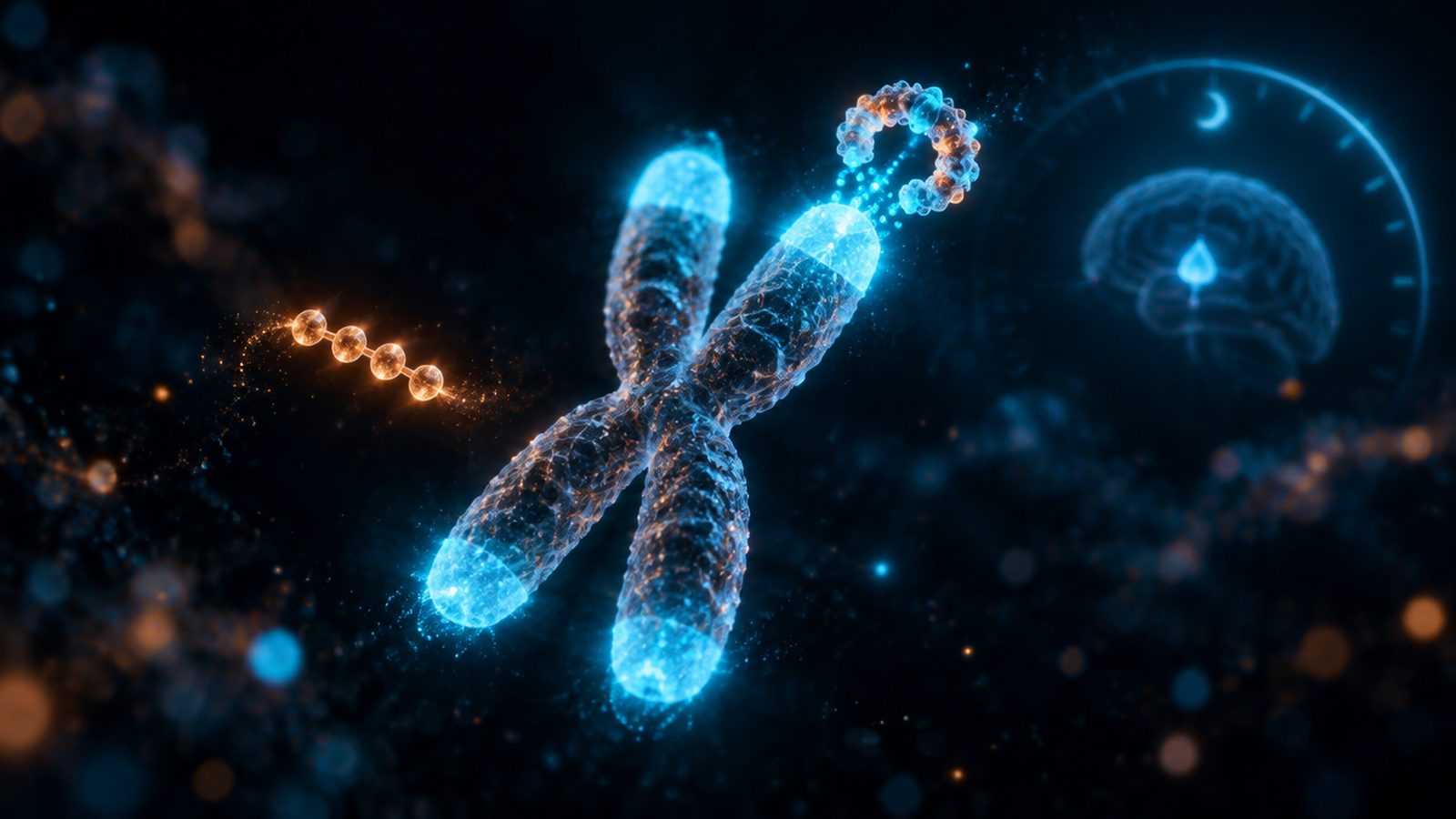
A 24-amino-acid peptide whose recipe hides in the genes of your cell's power plants. Here is what studies in cells, animals and people have found so far.
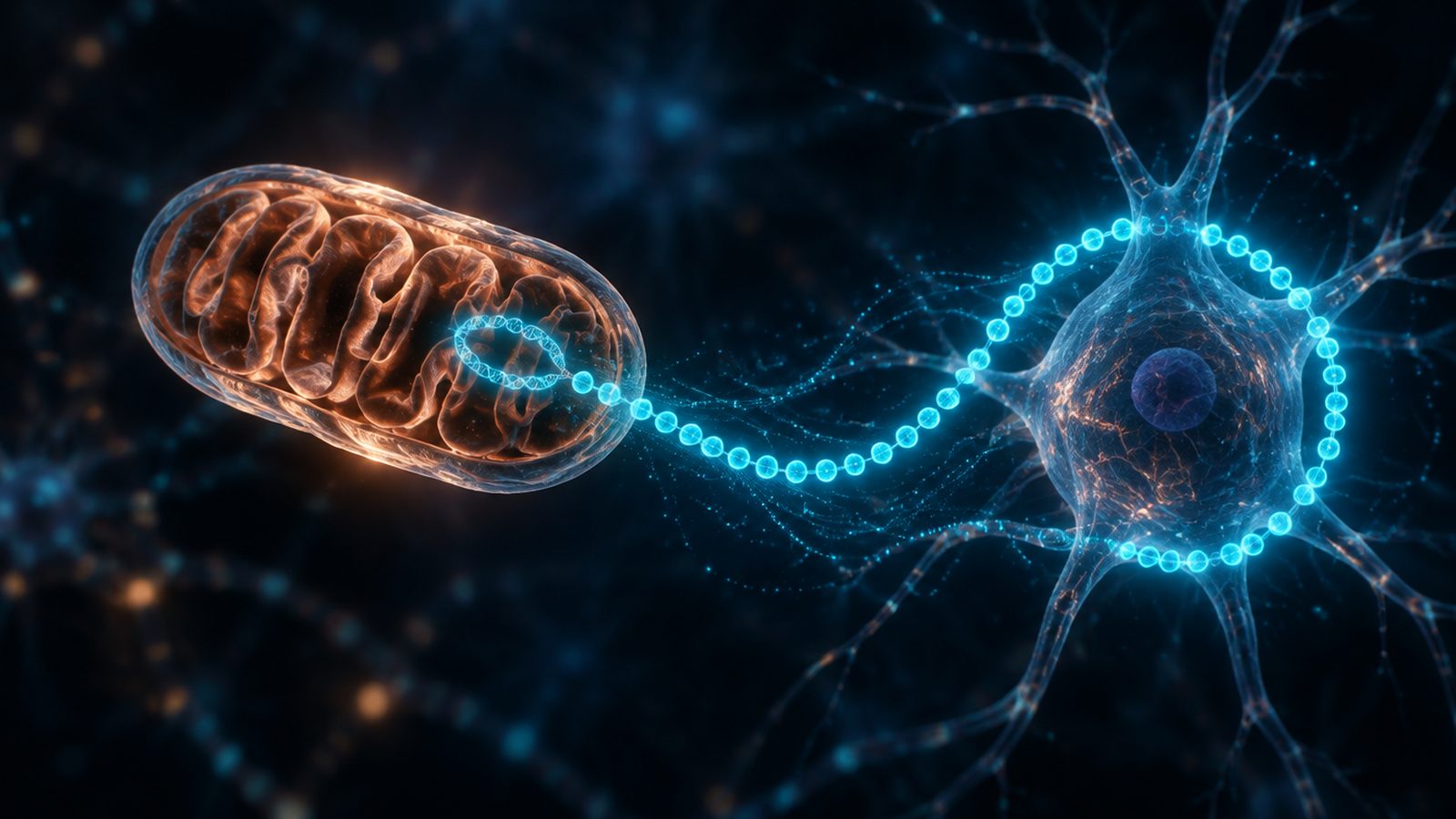
Your cells hold tiny power plants called mitochondria. They carry a small set of their own genes. For a long time, that set looked like a plain parts list for making energy.
In 2001, a team in Tokyo was hunting for something else. They searched genes from the brain of a person who had died with Alzheimer's disease, using a part of the brain that had stayed intact. One gene stood out. It kept nerve cells alive. They named it humanin.
What it is
A peptide is a short chain of amino acids. Picture amino acids as beads and a peptide as a short bead bracelet.
Humanin is a bracelet of 24 beads.
Its recipe sits in a surprising place. It hides inside a gene in the mitochondria that was thought to build only a part of the cell's protein factory. It is like a short word tucked inside a longer one.
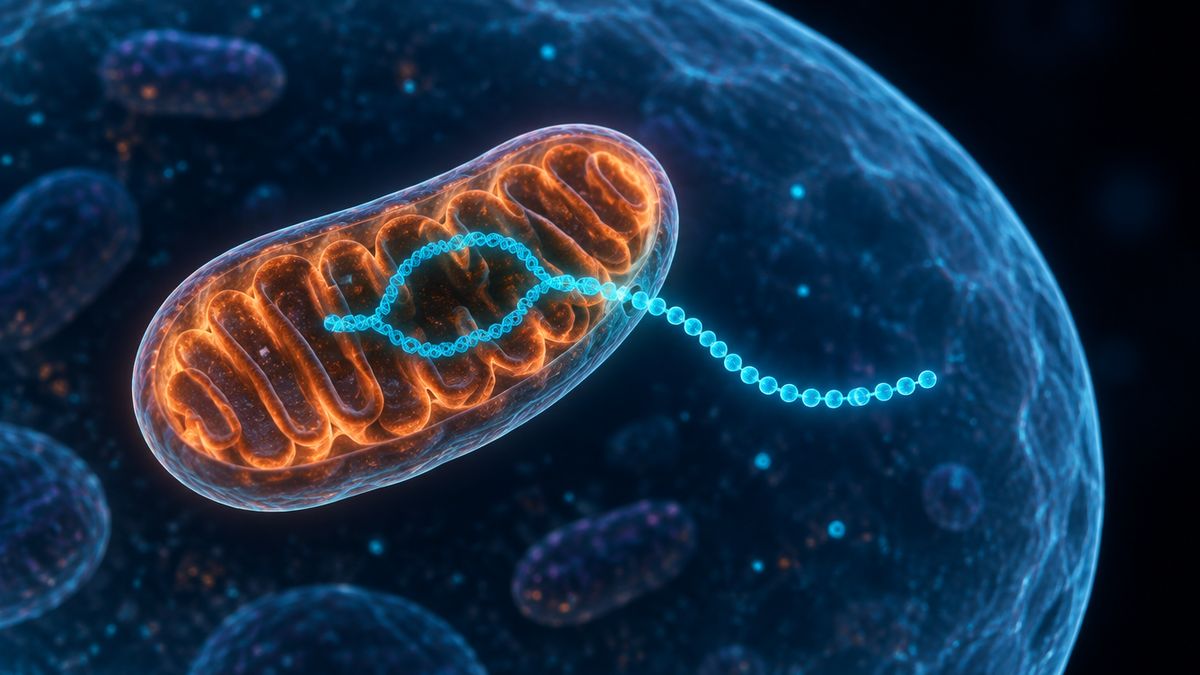
That makes humanin a sibling of MOTS-c. Both are tiny peptides with recipes in the power plant's genes.
What it does in the body
Humanin shows up in the blood of people and animals, so it can carry messages between organs.
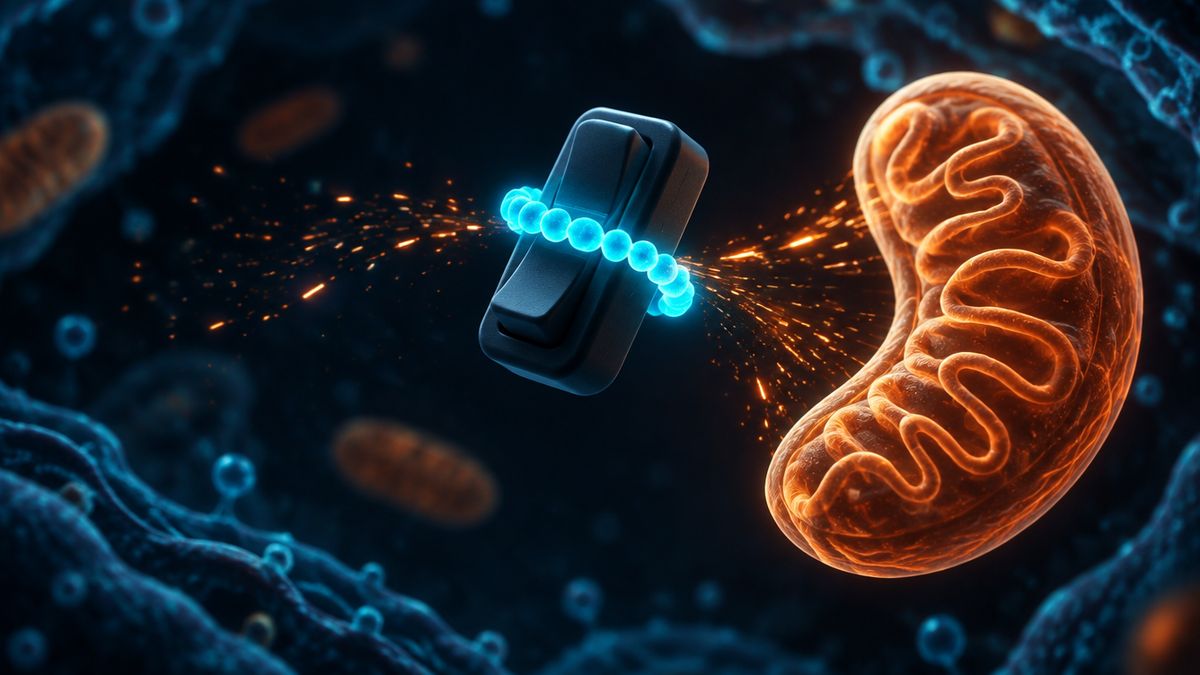
Its best-known job is guarding cells. When a cell is badly stressed, a protein called Bax gets the order to shut the cell down. Bax moves to the power plants and starts the shutdown.
Humanin grabs Bax and holds it back, like a hand resting on a light switch.
Humanin also fits locks on the outside of cells. A lock like this is called a receptor, and the peptide is the key. Scientists have found two of these locks so far.
What scientists have found
In cells: In the 2001 discovery, humanin kept nerve cells alive against three faulty Alzheimer's genes. It also protected mouse brain cells from a sticky protein that builds up in Alzheimer's disease.
In a 2003 study, humanin bound Bax and kept it away from the power plants. When scientists turned humanin down, cells died more easily.
In human nerve cells in a dish, a lab-made form of humanin blocked the harm from that same sticky protein.
In animals: In mice, humanin levels fell about 40% over the first 18 months of life. In monkeys, levels dropped between 19 and 25 years of age. Naked mole-rats, which barely age, held their levels about steady.
In rats, humanin put straight into the brain made the body answer insulin better. Insulin is the body's signal to pull sugar out of the blood. In diabetic rats, a single treatment with a strong humanin cousin cut blood sugar by nearly half over four hours.
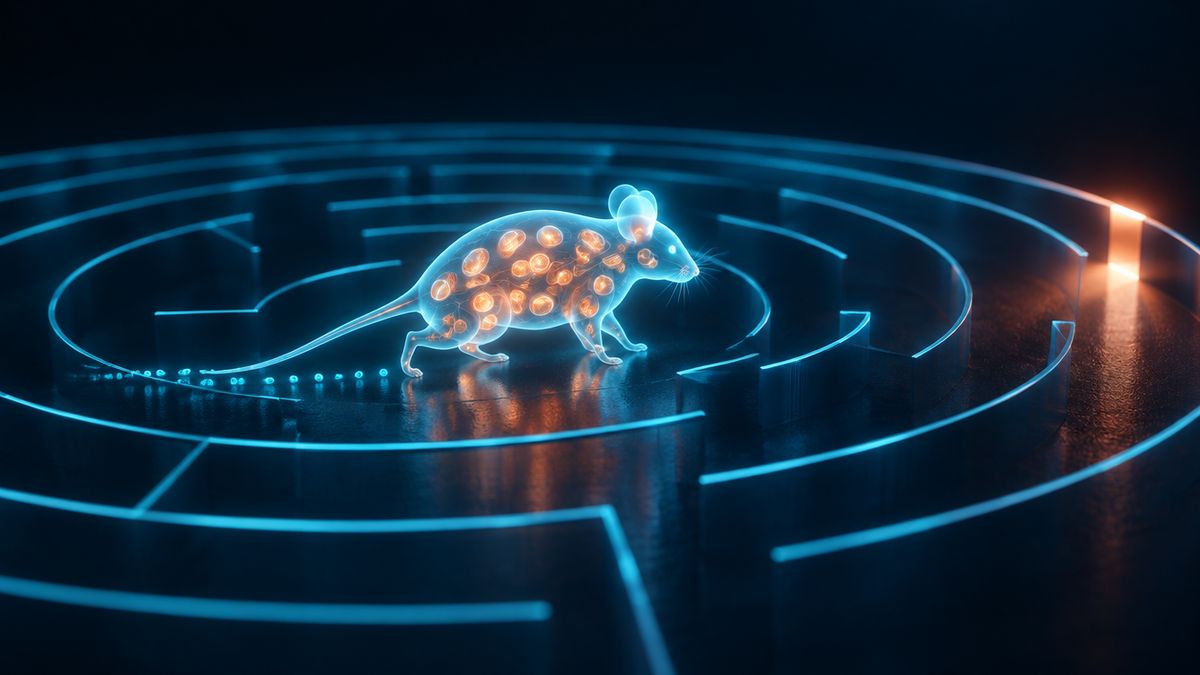
Old mice given a humanin cousin twice a week did better in two maze tests at 28 months of age. In mice bred to get Alzheimer's-like changes, three months of a humanin cousin helped males find a hidden platform in a water maze.
Middle-aged mice given it twice a week for 14 months stayed lighter, with less belly fat and more lean mass. They ate the same food. They did not live longer.
In tiny worms, extra humanin stretched life from about 17.7 to 19.0 days.
In people: No registered trial has given humanin to people yet. Scientists have only measured it.
Blood levels of humanin fall with age. In one study, 18 children of people who lived to 100 had higher levels than 19 people of the same age.
In a group of about 150 adults, a small change in the humanin gene went with blood levels about 14% lower. In a national survey of 10,158 older adults, people with that change had slightly older "cognitive ages."
Where it stands
Humanin is not an approved medicine. Scientists study it as a natural signal the body makes.
On the main US trial registry, every humanin study so far only measures it in blood or tissue. None has given it to people. That is the exciting next step.
It is early days, and humanin is one to watch. Another favorite of aging researchers is Epitalon.
The bottom line
- Humanin is a 24-amino-acid peptide whose recipe hides in the genes of the cell's power plants.
- In cells, it held back the protein that starts a cell's shutdown. In old mice, a humanin cousin helped with mazes and kept weight down.
- In people, levels fall with age and run higher in centenarians' children. No trial has given it to people yet.
FAQ
Questions people ask
- What is humanin?
- Humanin is a peptide, a short chain of 24 amino acids. Its recipe hides in the DNA of mitochondria, the cell's power plants, and it was found in 2001.
- Where was humanin discovered?
- A team in Tokyo found it in 2001 while searching genes from the brain of a person with Alzheimer's disease. The gene kept nerve cells alive in a dish.
- Is humanin approved by the FDA?
- No. Humanin is not an approved medicine. Trials so far have only measured it in people, not given it to them.
- Does humanin go down with age?
- Yes. Blood levels fall with age in people and mice. In one study, 18 children of centenarians had higher levels than 19 people of the same age.
Sources8
- A rescue factor abolishing neuronal cell death by a wide spectrum of familial Alzheimer's disease genes and Abeta · Proceedings of the National Academy of Sciences, 2001 · DOI 10.1073/pnas.101133498
- Humanin: a harbinger of mitochondrial-derived peptides? · Trends in Endocrinology and Metabolism, 2013 · DOI 10.1016/j.tem.2013.01.005
- Humanin peptide suppresses apoptosis by interfering with Bax activation · Nature, 2003 · DOI 10.1038/nature01627
- Humanin: a novel central regulator of peripheral insulin action · PLoS ONE, 2009 · DOI 10.1371/journal.pone.0006334
- A humanin derivative reduces amyloid beta accumulation and ameliorates memory deficit in triple transgenic mice · PLoS ONE, 2011 · DOI 10.1371/journal.pone.0016259
- Humanin Prevents Age-Related Cognitive Decline in Mice and is Associated with Improved Cognitive Age in Humans · Scientific Reports, 2018 · DOI 10.1038/s41598-018-32616-7
- The mitochondrial derived peptide humanin is a regulator of lifespan and healthspan · Aging (Albany NY), 2020 · DOI 10.18632/aging.103534
- ClinicalTrials.gov search: studies mentioning humanin · ClinicalTrials.gov (U.S. National Library of Medicine), 2026
Education only. Not medical advice. The Cell Brief summarises published research for general education. It is not medical advice, and nothing here is a recommendation to use any compound.
One brief a week
One brief per compound. Unsubscribe anytime.