The Cell BriefRecovery
TB-500: The Cell Protein That Keeps Spare Scaffolding Ready
Nearly every cell makes thymosin beta-4, a protein that holds spare parts for the cell's skeleton. TB-500 is a lab-made piece of it, and here is what studies have found.

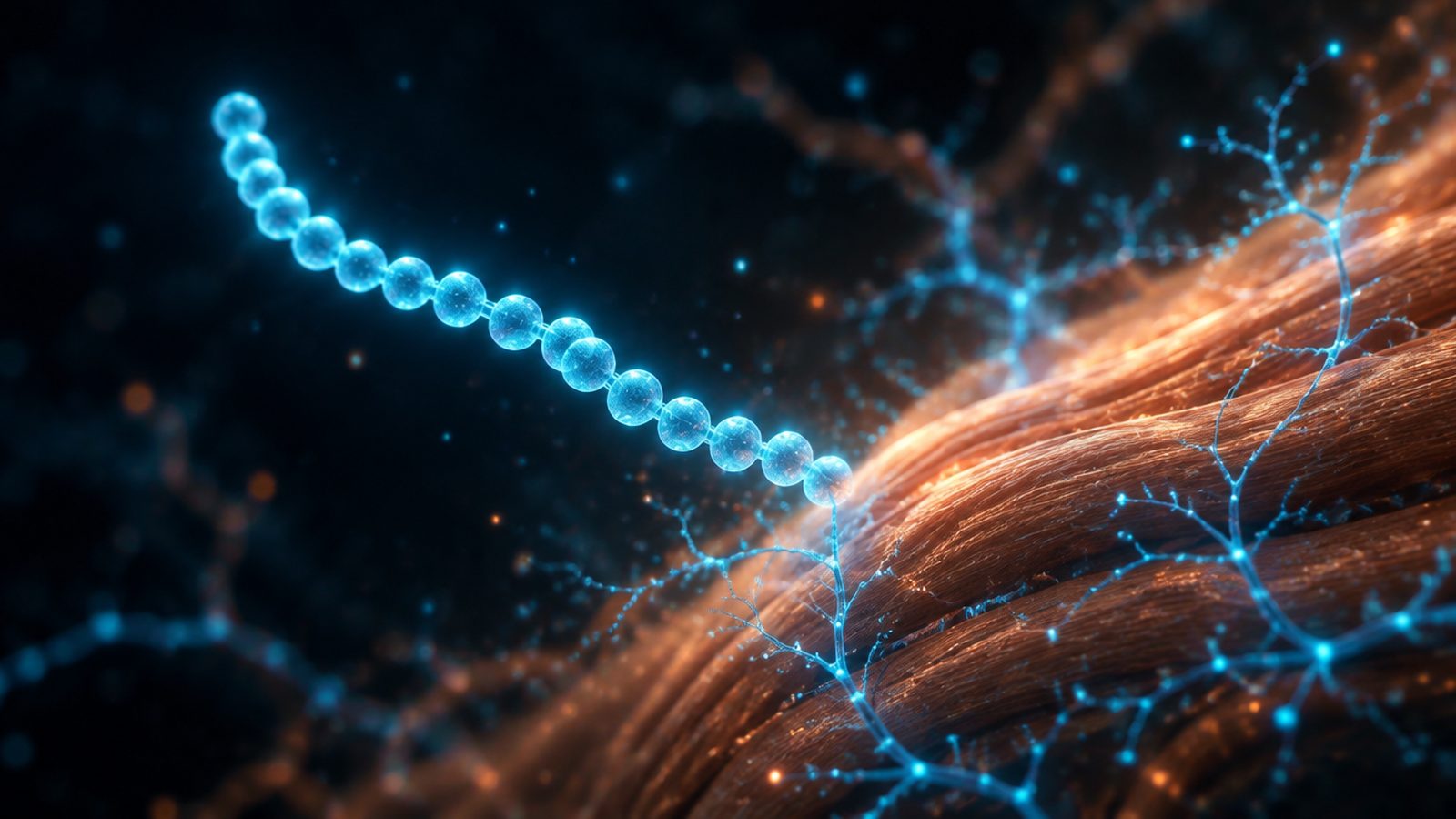
Every cell in your body has a skeleton inside it. It is made of thin threads of a protein called actin. Picture scaffolding poles that the cell builds and takes apart all day long.
To move or heal, a cell needs spare poles ready to go. A small protein keeps that pile in order. Its name is thymosin beta-4, and it is the science behind TB-500.
What it is
A peptide is a short chain of amino acids. Think of amino acids as beads and a peptide as a bead bracelet. New here? Start with what a peptide is.
Thymosin beta-4 is a chain of 43 beads. That is long for a bracelet, so scientists often call it a small protein.
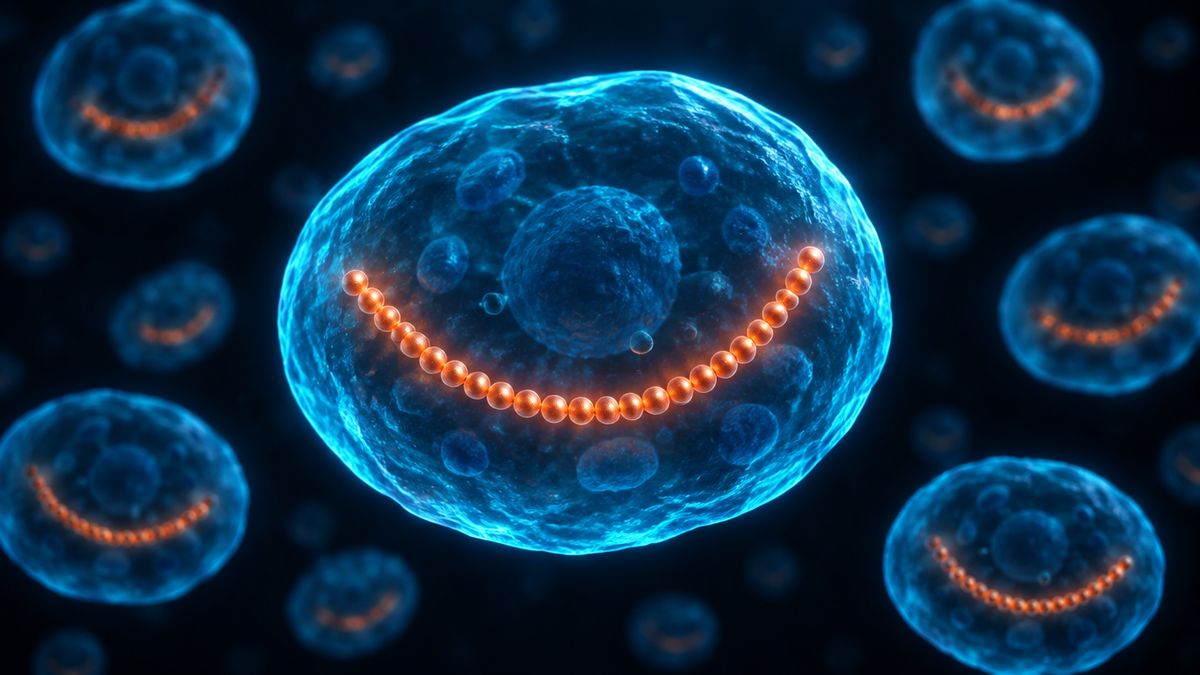
Nearly every cell in your body makes it. It also turns up in body fluids.
TB-500 is a lab-made piece of thymosin beta-4. It is just 7 beads long: the part of the chain that grabs actin. People often mention it next to BPC-157, another repair peptide under study.
Keep in mind that the studies below used the full 43-bead protein, not the 7-bead piece.
What it does in the body
Actin comes in two forms: single beads and long threads. Thymosin beta-4 holds on to the single beads. A bead it holds cannot join a thread.
That sounds like a brake, but it is really a storeroom. The cell keeps a big stock of spare beads on hand. When it needs to move or close a wound, the parts are ready.
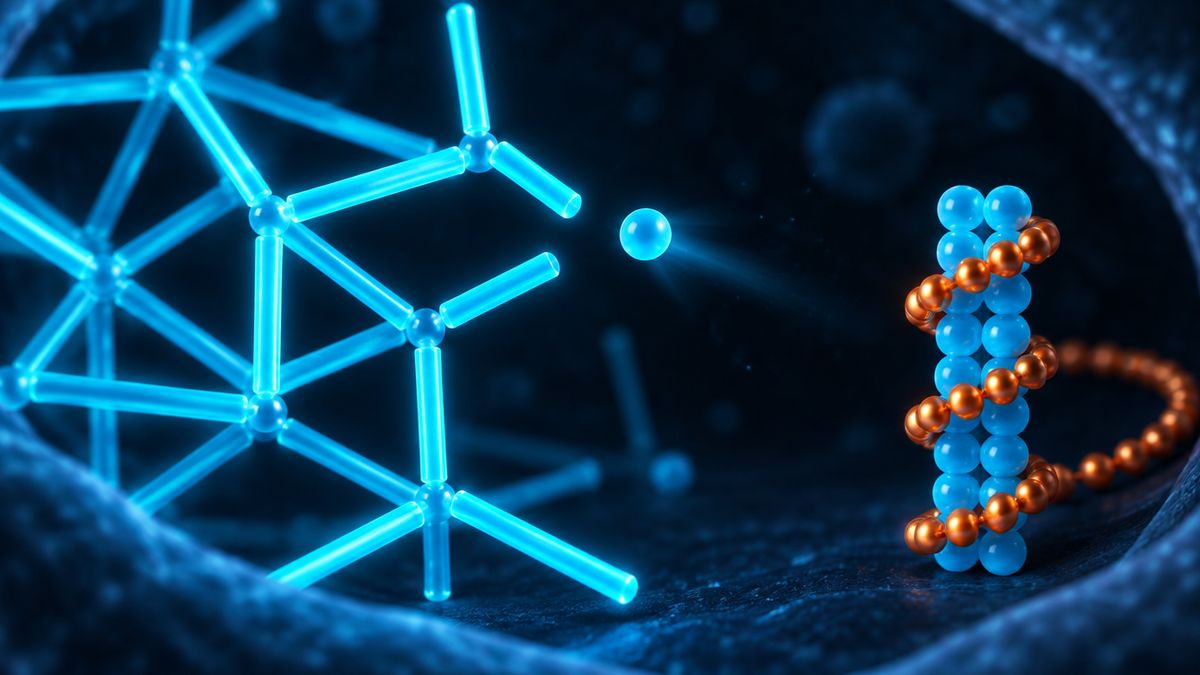
Thymosin beta-4 does more than hold actin. It can team up with other proteins inside the cell. One such team switches on a survival signal that helps cells stay alive.
Scientists have found it outside cells too. There it may act as a signal to nearby cells. That is why it has been studied in wounds, eyes and the heart.
What scientists have found
In cells: In a 1999 study, skin cells in a dish moved toward thymosin beta-4. A tiny amount made them move two to three times more within five hours.
In a 2004 study, heart muscle cells in a dish moved more, and more of them survived. Thymosin beta-4 had joined with two partner proteins to switch on the survival signal.
In animals: In rats with deep skin wounds, treated wounds grew 42% more new skin cover by day 4. By day 7, the gain was as much as 61%. Treated wounds also had more collagen, the skin's scaffolding, and more new blood vessels.
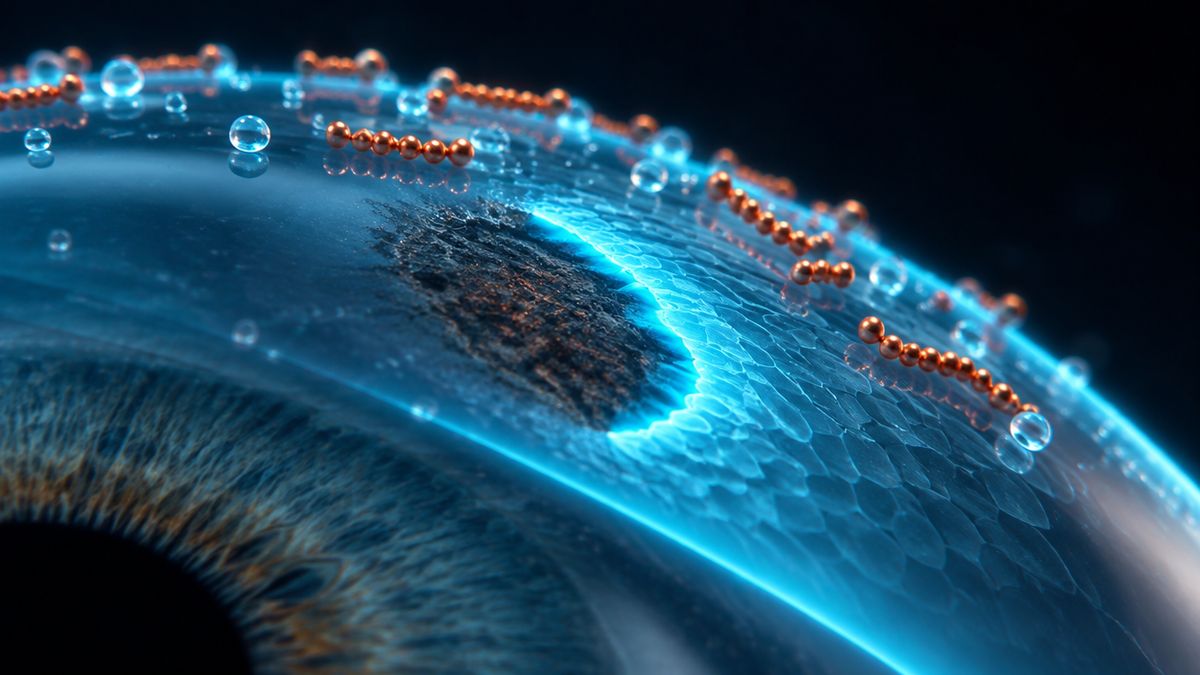
In mice with a chemical burn on the eye, drops of thymosin beta-4 helped the surface re-cover faster. By day 7, the eyes also had fewer inflammatory cells, the white cells that rush to an injury.
In the 2004 mouse study, scientists blocked a heart artery to mimic a heart attack. Mice given thymosin beta-4 kept more heart cells alive early on. Their hearts also pumped better afterward.
In people: In a 2010 study, 40 healthy volunteers got thymosin beta-4 or a placebo by vein. A placebo is a dummy look-alike. Side effects were few and mild or moderate. None were serious.
In a 2015 trial, 72 people with dry eye used thymosin beta-4 drops or placebo drops for 28 days. On the two main measures, the groups did not differ. On some other measures, the drops did better. Eye discomfort in a dry-air room was 27% lower. No side effects were reported.
Where it stands
TB-500 is not an ingredient in any FDA-approved medicine. In 2026, FDA staff reviewed it for an advisory committee and found no clinical studies of TB-500 itself. Thymosin beta-4 is still in trials. The World Anti-Doping Agency bans thymosin beta-4 and TB-500 in sport at all times.
Researchers want to know if the eye results hold up in bigger trials. They also hope to test the heart findings in people with heart disease. And they want studies on the 7-bead piece itself.
It is early days, and thymosin beta-4 is one to watch.
The bottom line
- Thymosin beta-4 is a 43-amino-acid protein that nearly all your cells make. It holds spare actin beads, the parts of the cell's scaffolding.
- In rats and mice, skin and eye wounds closed faster, and injured hearts pumped better.
- In people, early trials found few side effects. The exciting next step is bigger studies, and tests of TB-500 itself.
FAQ
Questions people ask
- What is TB-500?
- TB-500 is a lab-made piece of thymosin beta-4, a 43-amino-acid protein that nearly every cell makes. The piece is 7 amino acids long: the part that grabs actin, the cell's scaffolding protein.
- Is TB-500 the same as thymosin beta-4?
- Not quite. Thymosin beta-4 is the full 43-amino-acid protein. TB-500 is a 7-amino-acid piece of it, and most published studies used the full protein.
- Is TB-500 approved by the FDA?
- No. TB-500 is not an ingredient in any FDA-approved medicine, and thymosin beta-4 is still in trials. The World Anti-Doping Agency bans both in sport at all times.
- Has thymosin beta-4 been tested in people?
- Yes, in early trials. A 2010 study gave it to 40 healthy volunteers with no serious side effects. A 2015 trial tested eye drops in 72 people with dry eye.
Sources8
- Biological activities of thymosin beta4 defined by active sites in short peptide sequences · The FASEB Journal, 2010 · DOI 10.1096/fj.09-142307
- FDA Briefing Document, Pharmacy Compounding Advisory Committee Meeting: TB-500 (free base) and TB-500 acetate · U.S. Food and Drug Administration, Center for Drug Evaluation and Research, 2026
- Thymosin beta4 accelerates wound healing · Journal of Investigative Dermatology, 1999 · DOI 10.1046/j.1523-1747.1999.00708.x
- Thymosin beta 4 promotes corneal wound healing and decreases inflammation in vivo following alkali injury · Experimental Eye Research, 2002 · DOI 10.1006/exer.2001.1125
- Thymosin beta4 activates integrin-linked kinase and promotes cardiac cell migration, survival and cardiac repair · Nature, 2004 · DOI 10.1038/nature03000
- A randomized, placebo-controlled, single and multiple dose study of intravenous thymosin beta4 in healthy volunteers · Annals of the New York Academy of Sciences, 2010 · DOI 10.1111/j.1749-6632.2010.05474.x
- Thymosin beta 4 ophthalmic solution for dry eye: a randomized, placebo-controlled, Phase II clinical trial conducted using the controlled adverse environment (CAE) model · Clinical Ophthalmology, 2015 · DOI 10.2147/OPTH.S80954
- 2026 Prohibited List (Anti-Doping Convention ETS No. 135, amendment to the appendix), official publication of the World Anti-Doping Agency list · Tractatenblad van het Koninkrijk der Nederlanden (Dutch official treaty gazette), 2026 no. 25, 2026
Education only. Not medical advice. The Cell Brief summarises published research for general education. It is not medical advice, and nothing here is a recommendation to use any compound.
One brief a week
One brief per compound. Unsubscribe anytime.