The Cell BriefLongevity
SS-31: The Power-Plant Peptide That Made FDA History
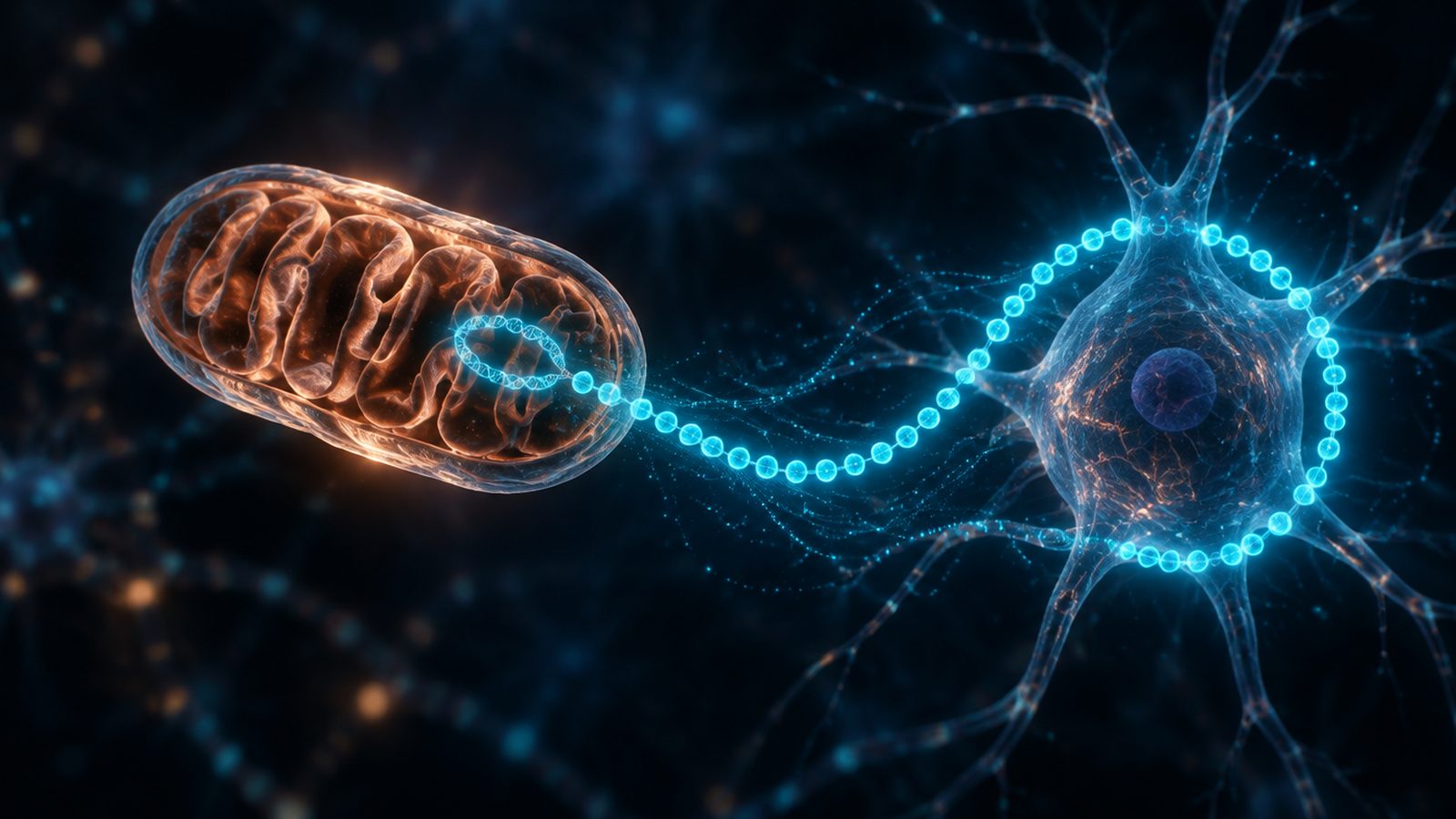
A four-bead lab peptide that slips into your cells' power plants and grips their inner walls. In 2025 it became the first FDA-approved treatment for Barth syndrome.

Every cell in your body runs on tiny power plants. Inside each one, rows of machinery turn food into energy.
SS-31 is a tiny peptide that heads straight for that machinery. In 2025, under the drug name elamipretide, it made history. It became the first FDA-approved treatment for Barth syndrome, a rare power-plant disease. That is a big milestone for peptide science.
What it is
A peptide is a short chain of amino acids. Think of amino acids as beads and a peptide as a short bead bracelet. New to this? Start with what a peptide is.
SS-31 is a bracelet of just four beads. It does not come from nature. Scientists designed it in a lab.
The name honors the two scientists behind it, Szeto and Schiller. That is the "SS." Fun fact: the peptide family was found by chance.
Here is what makes them special. These tiny peptides slip right into cells. Once inside, they gather at the power plants.
What it does in the body
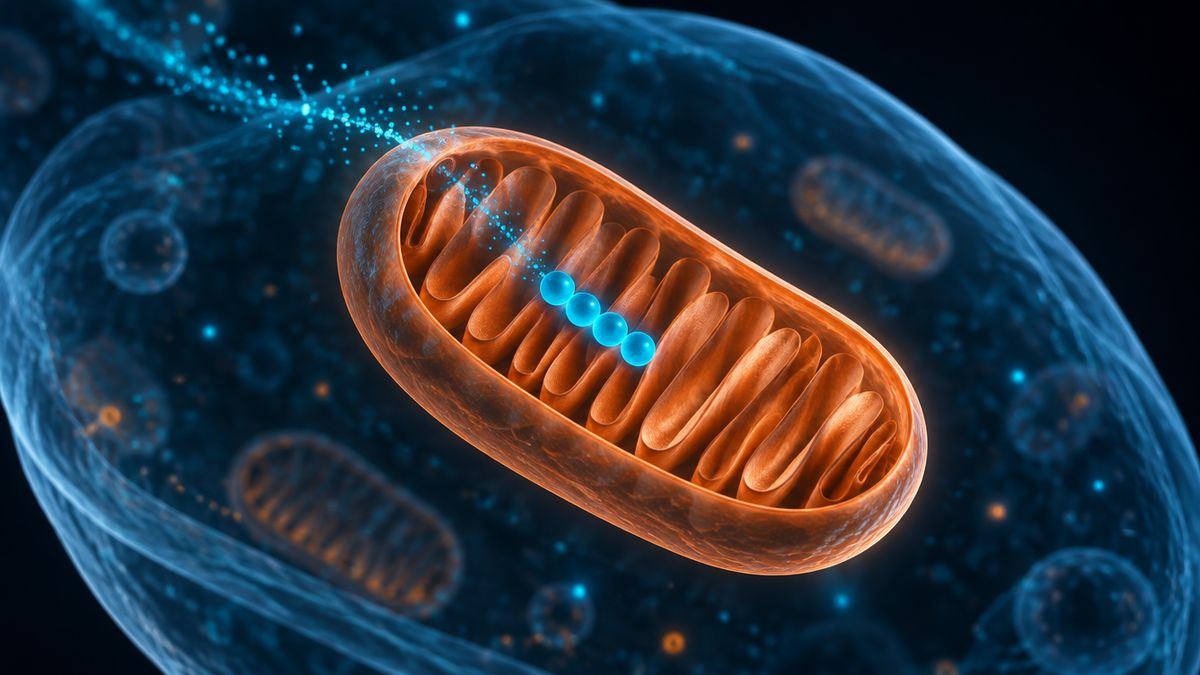
The cell's power plants are called mitochondria. Each one has an inner wall folded into many pleats, like a paper fan. The pleats hold the energy machinery.
A special fat called cardiolipin sits only in that inner wall. It helps the folds keep their shape. It also helps the machinery make energy.
Here is the elegant part. SS-31 sticks to cardiolipin. Think of it like tightening the bolts in an engine. The parts stay lined up, so the engine can run smoothly.

What scientists have found
In cells: In lab tests, SS-31 held on tightly to cardiolipin. It helped protect the folds of the inner wall, and the power plants made more energy.
In animals: A 2013 study in very old mice had striking results. The mice got one dose of SS-31. Within an hour, the power plants in their muscles made energy like young ones. Their muscles also tired less quickly. Young mice showed no change.
After eight days of SS-31, the old mice ran longer on a treadmill, closing part of the gap with young mice.

In a 2020 study, old mice got SS-31 for eight weeks. Their hearts relaxed and filled better between beats, more like young hearts. The gain was still there two weeks after it stopped.
In people: The biggest story is Barth syndrome. This rare disease affects almost only boys and men. A broken gene means their power plants cannot make enough normal cardiolipin. That is exactly the fat SS-31 sticks to.
In a small trial, 12 males with Barth syndrome took SS-31 and a placebo, a dummy look-alike, for 12 weeks each. In that short test, walking and tiredness did not differ. Then 10 of them kept taking it in a long follow-up. Over time, their leg strength went up. That gain is what the approval rested on.
Two other trials found no clear difference from placebo. In one, 218 adults with mitochondrial myopathy, a rare disease of weak muscle power plants, took SS-31 for 24 weeks. Walking and tiredness did not differ. In the other, 71 adults with heart failure took it for four weeks. The heart's main pumping chamber did not change size. SS-31 was well tolerated in both.
Where it stands
In September 2025, the FDA gave elamipretide accelerated approval, under the brand name Forzinity. It is the first treatment for Barth syndrome, for people who weigh at least 30 kilograms. It is not approved for aging or any other use.
Accelerated approval is a faster path for serious diseases with few options. A new trial will now check whether it helps people stand more easily or walk farther.
Researchers also want to know if the old-mouse results carry over to older people. That is the exciting next step.
SS-31 is not the only peptide tied to the power plants. MOTS-c is a tiny peptide whose recipe hides in their own genes.
The bottom line
- SS-31 is a four-amino-acid peptide that sticks to cardiolipin, a fat that shapes the inner walls of the cell's power plants.
- In old mice, it helped muscle power plants and hearts work more like young ones.
- In 2025, it became the first FDA-approved treatment for Barth syndrome, a rare disease. Studies in aging people are the exciting next step.
FAQ
Questions people ask
- What is SS-31?
- SS-31 is a lab-made peptide, a chain of just four amino acids. It travels into mitochondria, the cell's power plants, and sticks to cardiolipin, a fat that shapes their inner walls.
- What does SS stand for in SS-31?
- It honors Szeto and Schiller, the two scientists behind this family of peptides. Its drug name is elamipretide.
- Is SS-31 FDA approved?
- Yes, and it was a milestone. In September 2025, elamipretide (Forzinity) became the first FDA-approved treatment for Barth syndrome, a rare power-plant disease, through accelerated approval. It is not approved for aging or any other use.
- What did SS-31 do in old mice?
- In a 2013 study, one dose brought old mice's muscle power plants back to young energy levels within an hour. In a 2020 study, eight weeks of SS-31 helped old mice's hearts relax and fill better.
Sources8
- First-in-class cardiolipin-protective compound as a therapeutic agent to restore mitochondrial bioenergetics · British Journal of Pharmacology, 2014 · DOI 10.1111/bph.12461
- Mitochondrial-targeted peptide rapidly improves mitochondrial energetics and skeletal muscle performance in aged mice · Aging Cell, 2013 · DOI 10.1111/acel.12102
- Late-life restoration of mitochondrial function reverses cardiac dysfunction in old mice · eLife, 2020 · DOI 10.7554/eLife.55513
- Efficacy and Safety of Elamipretide in Individuals With Primary Mitochondrial Myopathy: The MMPOWER-3 Randomized Clinical Trial · Neurology, 2023 · DOI 10.1212/WNL.0000000000207402
- Effects of Elamipretide on Left Ventricular Function in Patients With Heart Failure With Reduced Ejection Fraction: The PROGRESS-HF Phase 2 Trial · Journal of Cardiac Failure, 2020 · DOI 10.1016/j.cardfail.2020.02.001
- Barth syndrome · MedlinePlus Genetics (U.S. National Library of Medicine), 2021
- FORZINITY (elamipretide) injection: Prescribing Information (NDA 215244) · U.S. Food and Drug Administration, 2025
- FDA Grants Accelerated Approval to First Treatment for Barth Syndrome · U.S. Food and Drug Administration (press announcement), 2025
Education only. Not medical advice. The Cell Brief summarises published research for general education. It is not medical advice, and nothing here is a recommendation to use any compound.
One brief a week
One brief per compound. Unsubscribe anytime.