The Cell BriefSkin & Hair
GHK-Cu: The Copper Peptide Already in Your Blood
A tiny peptide holding one bit of copper, found in human blood in 1973. Here is what 50 years of research has found, told simply.
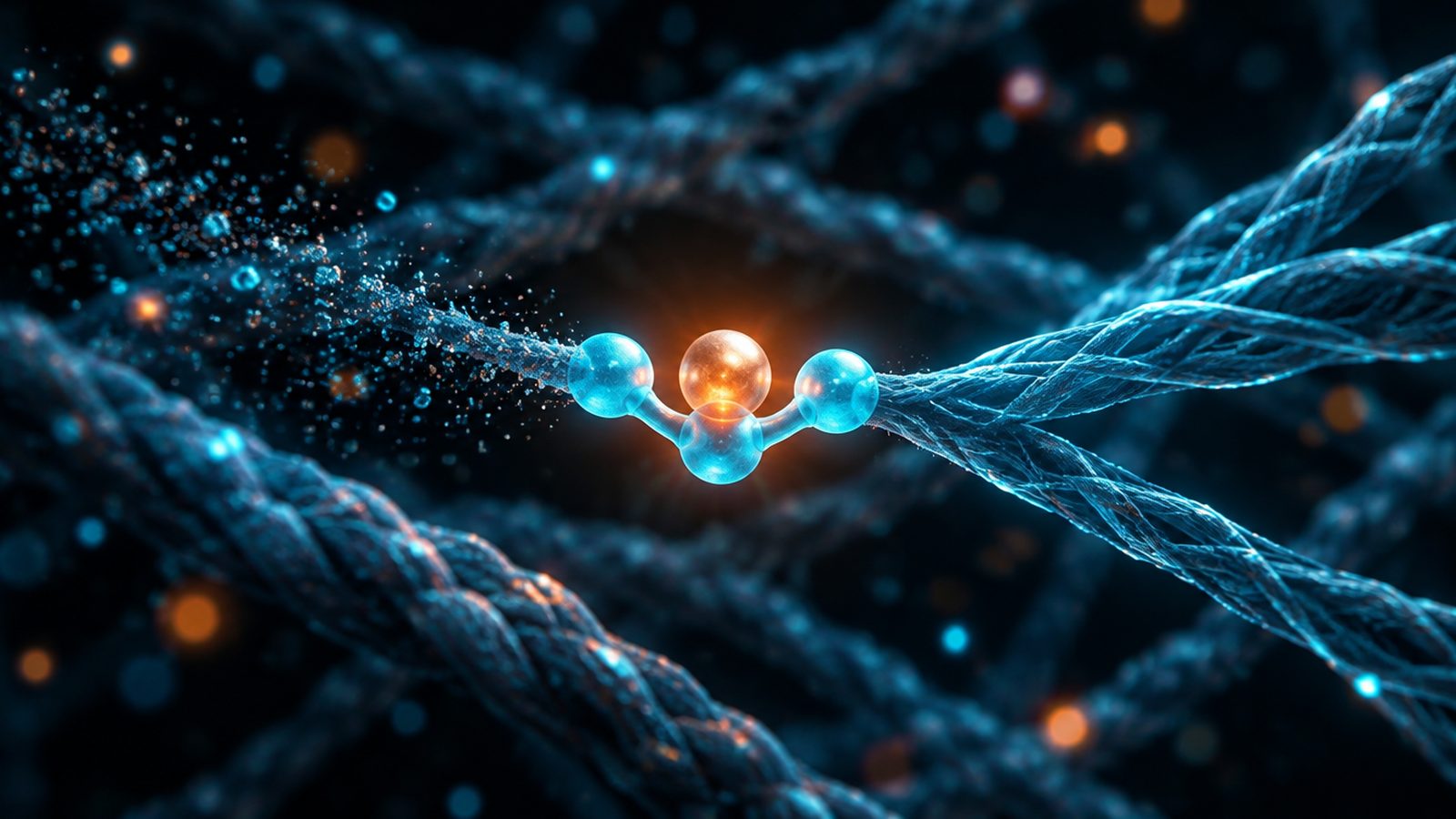
Most peptides in the news were made in a lab. GHK-Cu is different. Scientists found it in human blood back in 1973.
It is tiny: just three amino acids holding on to one bit of copper. Yet people have studied it for more than 50 years.
What it is
Amino acids are like beads. String a few together and you get a peptide, a short bead bracelet. (New to peptides? Start with what a peptide is.)
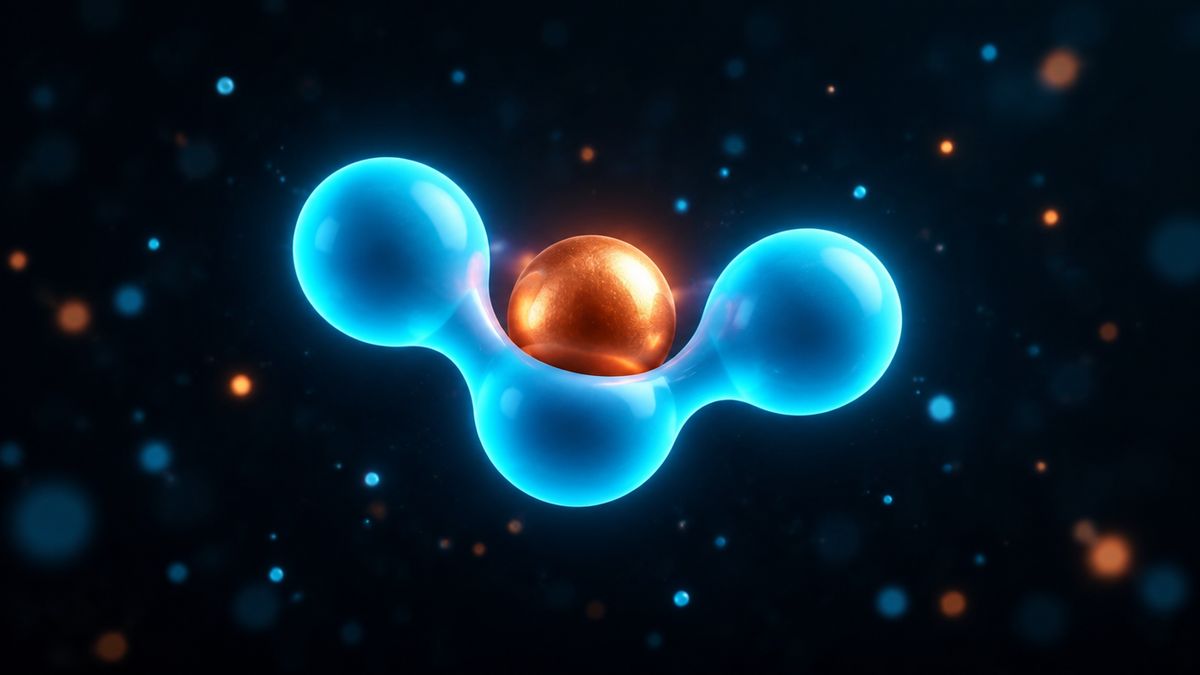
GHK is a bracelet of just three beads. The letters G, H and K stand for those three amino acids. "Cu" is the science symbol for copper.
The three beads make a small pocket. That pocket holds one copper atom tight, like a hand cupping a coin.
Your body makes GHK on its own. It shows up in blood, saliva and urine.
One review reports that blood levels are higher at age 20 than at age 60. Those numbers come from the team that found GHK. Checks by other labs would be a welcome next step.
What it does in the body
Think of the deep layer of your skin as a scaffold. Collagen is the strong frame. Elastin adds bounce. A watery gel fills the gaps.
Cells called fibroblasts are the builders. They put up new scaffold. They also clear out worn parts, using cutting tools called MMPs. Other proteins, called TIMPs, act as brakes on those tools.
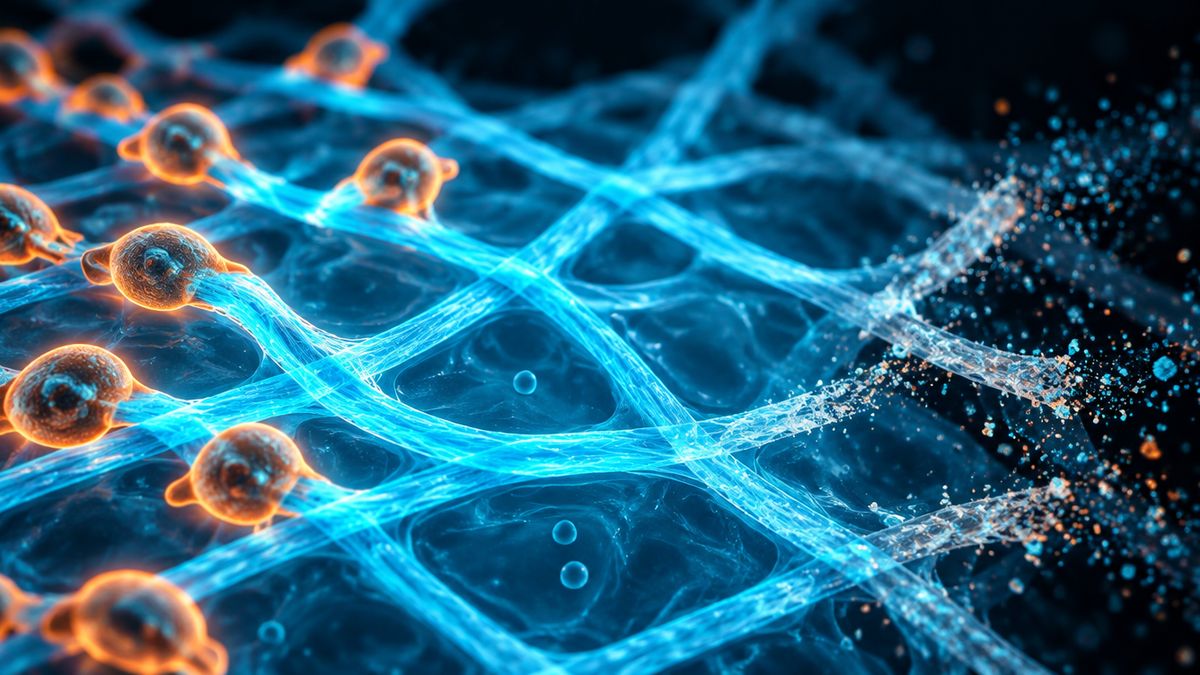
In lab dishes, GHK-Cu acts like a message to the builders. It nudges them to make more collagen and more gel. It also tunes the balance of cutters and brakes. So scientists call it a "build and remodel" signal.
Copper matters too. The helper protein that ties collagen into a strong mesh needs copper to work. A 1980 study in liver cells in a dish suggested GHK may act like a delivery truck, carrying copper to cells.
What scientists have found
In cells: In 1988, scientists added GHK-Cu to skin fibroblasts in a dish. The cells made more collagen, even at tiny amounts. Each cell just made more.
A 2000 study in skin fibroblasts found GHK-Cu raised one cutter, MMP-2. It also raised the brakes. Copper alone raised the cutter too, but GHK without copper did not.
Genes are like the cell's recipe cards, turned up or down to change what it makes. In 2012, GHK turned on a repair-like gene pattern in lung fibroblasts in a dish. Cells from people with the lung disease COPD got back their power to tighten and rebuild collagen.
Using a big gene database, the team that found GHK estimated it shifts about 31 percent of human genes up or down by at least half. So far, all of this gene work is in cells.
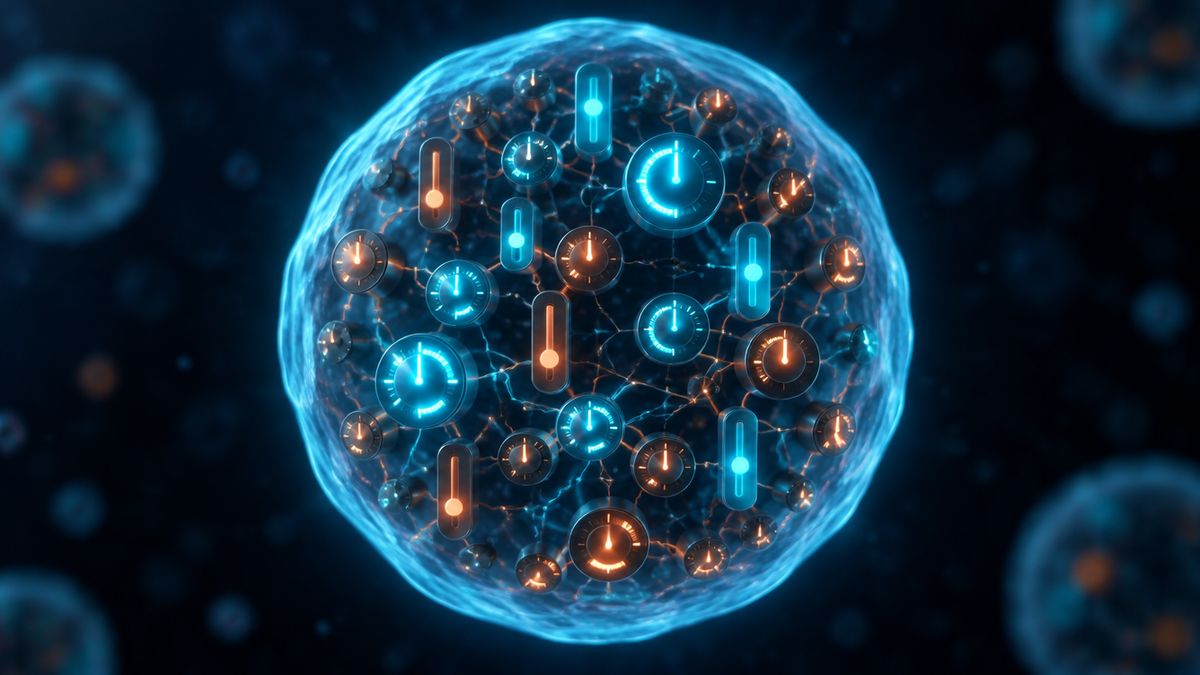
In animals: A 2003 study tested a GHK-Cu gel on slow-healing wounds in 24 rats. After 13 days, wounds shrank about 65 percent with the gel. They shrank about 46 percent with plain gel and 28 percent with nothing.
Older work in rabbits, rats, mice, pigs and dogs points to faster wound healing.
In people: Most human studies are small skin-cream studies. In one, 71 women with sun-damaged skin used a GHK-Cu face cream for 12 weeks. These studies reported better results for the copper peptide on what they measured. The groups were small, and some studies were tied to companies that make the ingredient.
On wounds, a small 1994 trial tested a GHK-Cu gel on foot ulcers in people with diabetes. Ulcers closed more, with fewer infections, than with a plain gel.
A larger study of 511 patients that same year did not go as hoped, and its full results were never published.
Where it stands
GHK-Cu is not an FDA-approved drug. In 1996 a GHK-Cu wound gel was cleared as an over-the-counter wound-care product, which is different from drug approval. Today GHK-Cu is mostly a skincare ingredient.
The exciting next step is bigger, independent studies in people. Researchers also want to know if the gene changes seen in dishes happen in living tissue.
Its cousin AHK-Cu is studied for hair.
The bottom line
- GHK-Cu is a tiny copper-holding peptide your body makes, first found in human blood in 1973.
- In dish studies, it nudged skin builder cells to make more collagen and tuned their cutting tools.
- Rat wound studies look encouraging. Studies in people are small so far, and bigger, independent ones are the next step.
FAQ
Questions people ask
- Is GHK-Cu the same as the "copper peptide" in skincare?
- Usually, yes. On ingredient labels it is called copper tripeptide-1. Other copper peptides exist too, such as AHK-Cu.
- Does GHK go down with age?
- One review reports higher blood levels at age 20 than at age 60. Those numbers come from the team that found GHK, and other labs have not yet confirmed them.
- Is GHK-Cu approved by the FDA?
- It is not an FDA-approved drug. A GHK-Cu wound gel was cleared in 1996 as an over-the-counter wound-care product, and today GHK-Cu is mostly a skincare ingredient.
- Has GHK-Cu been studied in people?
- Yes, in small skin-cream studies lasting 8 to 12 weeks and in two 1994 foot-ulcer studies in people with diabetes. Bigger, independent studies in people are the exciting next step.
Sources9
- Stimulation of collagen synthesis in fibroblast cultures by the tripeptide-copper complex glycyl-L-histidyl-L-lysine-Cu2+ · FEBS Letters, 1988
- Regenerative and Protective Actions of the GHK-Cu Peptide in the Light of the New Gene Data · International Journal of Molecular Sciences, 2018 · DOI 10.3390/ijms19071987
- Growth-modulating plasma tripeptide may function by facilitating copper uptake into cells · Nature, 1980
- The tripeptide-copper complex glycyl-L-histidyl-L-lysine-Cu2+ stimulates matrix metalloproteinase-2 expression by fibroblast cultures · Life Sciences, 2000
- The effect of topical tripeptide-copper complex on healing of ischemic open wounds · Veterinary Surgery, 2003 · DOI 10.1111/j.1532-950X.2003.00515.x
- Enhanced healing of ulcers in patients with diabetes by topical treatment with glycyl-L-histidyl-L-lysine copper · Wound Repair and Regeneration, 1994 · DOI 10.1046/j.1524-475X.1994.20406.x
- ProCyte Corporation Form 10-K for the fiscal year ended December 31, 1995 · U.S. Securities and Exchange Commission (EDGAR), 1996
- A gene expression signature of emphysema-related lung destruction and its reversal by the tripeptide GHK · Genome Medicine, 2012
- GHK Peptide as a Natural Modulator of Multiple Cellular Pathways in Skin Regeneration · BioMed Research International, 2015
Education only. Not medical advice. The Cell Brief summarises published research for general education. It is not medical advice, and nothing here is a recommendation to use any compound.
One brief a week
One brief per compound. Unsubscribe anytime.