The Cell BriefBrain
Noopept: The Peptide-Like Molecule Modeled on Piracetam
Scientists in Moscow rebuilt the shape of a classic brain drug from two amino-acid pieces. Meet noopept and what studies in cells, rats and people have found.
Piracetam is a classic brain drug. It is a small molecule, not a peptide. Scientists in Moscow had a bold idea: could they rebuild its shape from amino acids?
They could. The result was noopept. In animal memory tests, it worked at doses about 1,000 times smaller than piracetam's. And in rats, it turns into something the rat brain already makes.
What it is
Noopept was made at a drug research lab in Moscow. The team built it to copy the shape of piracetam. Its name blends two words, nootropic and peptide. A nootropic is something studied for memory and learning.

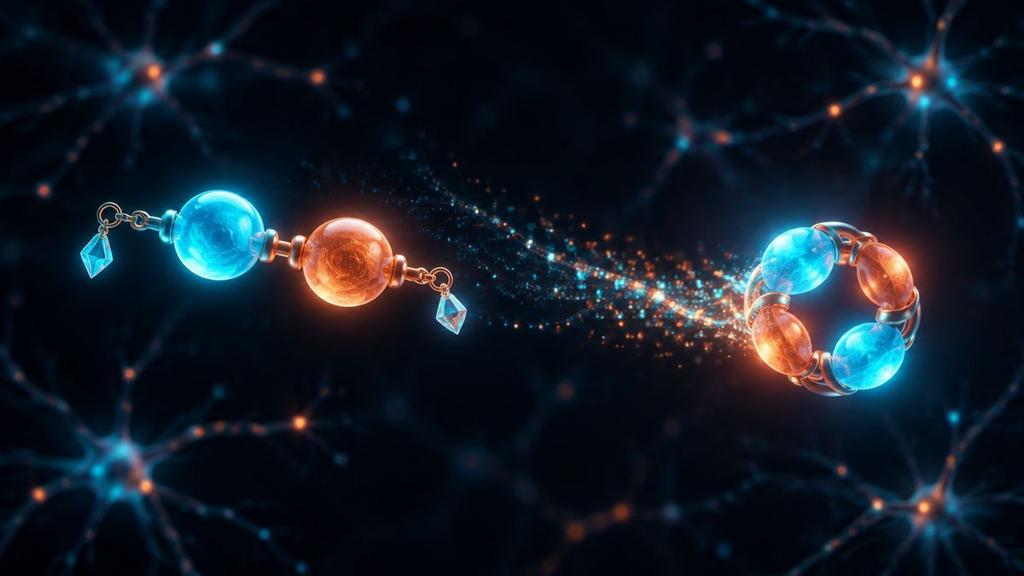
Amino acids are the building blocks of proteins. Think of them as beads. A peptide is a short string of beads, like a small bracelet. New here? See what a peptide is.
Noopept is built from two beads. They are called proline and glycine. Each end also carries a small chemical add-on, like a charm. That makes noopept peptide-like: two beads with extra parts.
Early papers call it GVS-111. Its official drug name is omberacetam.
What it does in the body
In rats, the body breaks noopept down mainly into a tiny ring. The ring is made of the same two beads.
Here is the twist. The rat brain makes this same ring on its own. Researchers think noopept works partly through the ring and partly by itself.
Much of the research looks at two growth signals, BDNF and NGF. These proteins help nerve cells survive and grow. Think of them as plant food for brain cells.
Lab tests point to another job, too. Noopept seems to fight oxidative stress, a kind of rusting inside cells.
What scientists have found
In cells:
Scientists grew human brain cells in a dish. Then they added a harsh chemical that causes that rusting. Without help, more than 60% of the cells broke down.
With noopept, more of the cells survived. It also slowed the rusting. In the same test, it did better than piracetam and vitamin E.

In animals:
Most noopept research has been done in rats and mice. In these animals, it eased memory loss caused in several ways in the lab. In rats, it helped every step of memory: learning, storing and recalling.
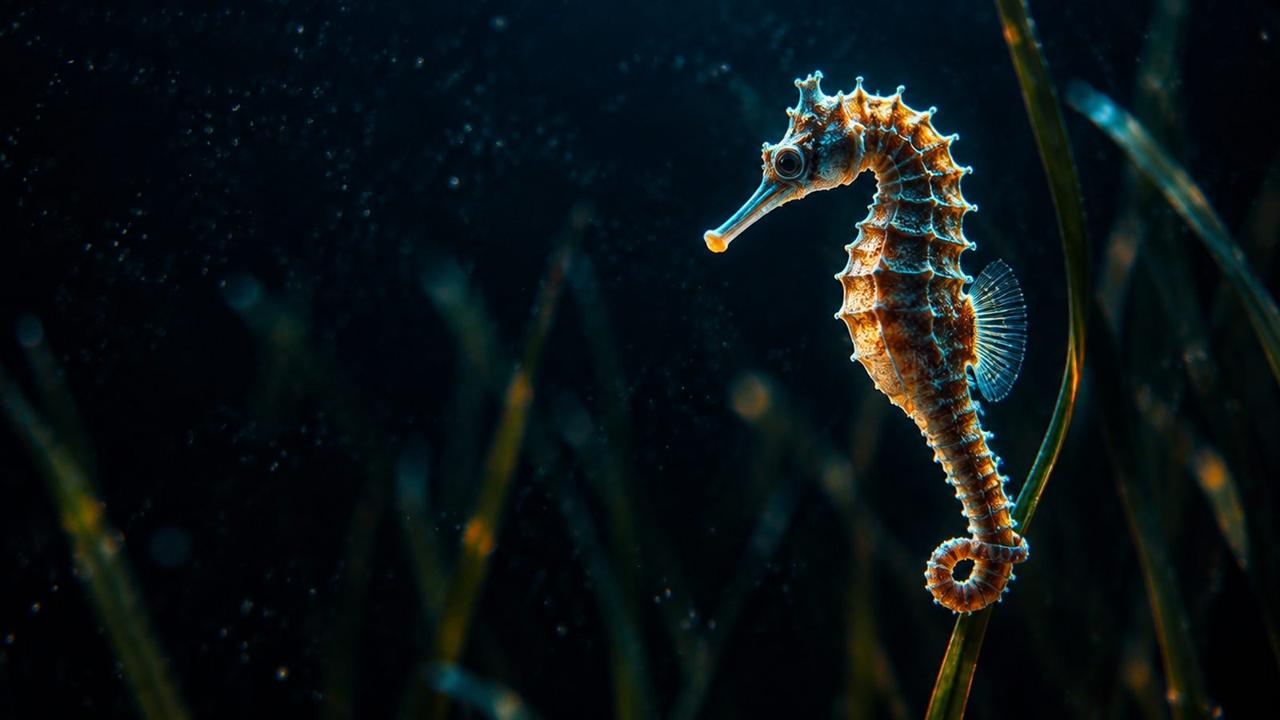
In a 2008 rat study, one dose turned up the genes for BDNF and NGF in the hippocampus. That is a key memory area deep in the brain. An Italian scientist named it in 1587 for its seahorse-like shape.
After 28 days of treatment, the effect in the hippocampus was even stronger. In the brain's outer layer, one dose lowered these genes instead. After 28 days, BDNF there rose a little.
In people:
Most human studies come from Russia. Earlier ones compared it with piracetam in people with mild memory and thinking problems.
A 2022 study looked at 150 adults over 50. They had memory and thinking problems, but not dementia. These were linked to disease of the brain's blood vessels. They were split by chance into three groups of 50.
All kept their usual care. On top of that, one group got noopept for 45 days. The other two groups got other brain drugs.
On a memory and thinking test, the noopept group's average score rose from 19.8 to 23.3. The other groups improved too, but less. In the first days, three people on noopept had headaches. Five had a small rise in blood pressure. None had to stop.
There was no placebo group, a dummy look-alike. The drug's maker sponsored the paper.
Where it stands
In Russia, noopept is an approved drug for memory and attention problems, such as after a head injury. No prescription is needed there. It has been on the market since 2006. It is not approved by the FDA.
The exciting next step is larger studies that compare it with a placebo. Another open question is how much of its effect comes from the tiny ring.
Outside Russia, it is early days, and noopept is one to watch. Two other brain peptides with Russian roots are Semax and Selank.
The bottom line
- Noopept is a peptide-like molecule built from two amino-acid beads to copy the shape of piracetam.
- In animals, it eased memory loss. In rats, it turned up growth-signal genes in the brain's memory center.
- It is an approved drug in Russia but not FDA-approved. Bigger trials with a placebo are the exciting next step.
FAQ
Questions people ask
- What is noopept?
- Noopept is a peptide-like molecule built from two amino acids, proline and glycine, with a small chemical add-on at each end. Scientists in Moscow designed it to copy the shape of piracetam, and its official drug name is omberacetam.
- Is noopept FDA approved?
- No. Noopept is not approved by the FDA. In Russia, it is an approved drug for memory and attention problems, on the market since 2006.
- What are the side effects of noopept?
- In a 2022 study of 150 adults, three people on noopept had headaches and five had a small rise in blood pressure in the first days, and none had to stop. Its Russian label lists allergic reactions and blood pressure rises, mainly in people with severe high blood pressure.
- Noopept vs piracetam: what is the difference?
- Piracetam is a small molecule, not a peptide. Noopept was built from two amino acids to copy its shape, and in animal memory tests it worked at doses about 1,000 times smaller.
Sources8
- Novel Technologies for Dipeptide Drugs Design and their Implantation · Current Pharmaceutical Design, 2018 · DOI 10.2174/1381612824666181008105641
- [The original novel nootropic and neuroprotective agent noopept] (article in Russian, English abstract) · Eksperimental'naia i Klinicheskaia Farmakologiia, 2002
- GVS-111 prevents oxidative damage and apoptosis in normal and Down's syndrome human cortical neurons · International Journal of Developmental Neuroscience, 2003 · DOI 10.1016/s0736-5748(03)00031-5
- Noopept stimulates the expression of NGF and BDNF in rat hippocampus · Bulletin of Experimental Biology and Medicine, 2008 · DOI 10.1007/s10517-008-0297-x
- Hippocampus and cornu ammonis: mythonyms that prevail in Terminologia Anatomica, Terminologia Neuroanatomica, and Terminologia Histologica · Frontiers in Neuroanatomy, 2025 · DOI 10.3389/fnana.2025.1582837
- Possibilities nootropic drugs in non-demented patients with vascular cognitive disorders (article in Russian, English abstract) · Nevrologiya, neiropsikhiatriya, psikhosomatika (Neurology, Neuropsychiatry, Psychosomatics), 2022 · DOI 10.14412/2074-2711-2022-2-49-55
- Noopept (omberacetam): Russian prescribing information · Vidal drug reference (Russia), 2024
- Five Unapproved Drugs Found in Cognitive Enhancement Supplements · Neurology: Clinical Practice, 2021 · DOI 10.1212/CPJ.0000000000000960
Education only. Not medical advice. The Cell Brief summarises published research for general education. It is not medical advice, and nothing here is a recommendation to use any compound.
Which peptide family should you explore first?
Answer a few questions about your everyday life. Get your peptide family, the briefs to read first, and the full list in your inbox.
Take the quiz