The Cell BriefLongevity
Pinealon: The Tiny Brain Peptide With a Pine-Cone Name
A tiny peptide of three amino acids, from the lab behind epitalon. Here is what studies in brain cells, rats, mice and people have found so far.

Deep in your brain sits a tiny gland called the pineal gland. Its name comes from the Latin word for pine cone.
Pinealon's name echoes that gland. It is a peptide of three amino acids. Scientists in Russia have long asked a big question about it. Can a peptide this tiny help brain cells stand up to stress?
What it is
A peptide is a short chain of amino acids. Think of amino acids as beads and a peptide as a short bead bracelet. New to this? Start with what a peptide is.
Pinealon is a lab-made bracelet of three beads. Scientists also call it EDR, one letter for each bead.
It comes from a lab in St. Petersburg, Russia. That lab calls its tiny peptides "bioregulators," small signals it thinks help steer cells. It also built Epitalon.

Here is a twist. Despite the name, its lab links pinealon to a different part of the brain. They trace it to Cortexin, a peptide mix from the cortex of calves. The cortex is the brain's wrinkly outer layer.
What it does in the body
In people, nobody knows the details yet. Most research looks at one problem: stress inside brain cells.
Busy cells make sparky oxygen molecules. A few are normal. Too many cause oxidative stress, a bit like rust inside the cell.
In lab tests, pinealon seemed to keep that rust in check. Its lab also has a bold idea. They think a peptide this small can slip inside cells and reach the DNA. That could nudge which genes switch on. The team is still testing that idea.
What scientists have found
In cells: In 2011, the lab stressed brain cells and other cells in a dish. Pinealon held back the sparky oxygen molecules. Fewer cells died.
Nerve cells have tiny bumps called spines, where they link up with other nerve cells. The sturdiest ones are shaped like little mushrooms.
In mouse brain cells in a dish, a team added amyloid. That is the sticky protein that builds up in Alzheimer's disease. Pinealon raised the number of mushroom spines by 71%, back to normal.

In 2024, a team turned skin cells from three women in their 60s into nerve cells. With pinealon, the new nerve cells grew longer branches, 46% longer in all.
In animals: In a 2012 study, pregnant rats got extra methionine, an amino acid in food. It raised their homocysteine. That is a natural leftover in the blood. In large amounts, it can harm a growing brain.
Some mothers also got pinealon. Their pups learned a swim test faster. They had to find a hidden platform in a pool.
On one try, it took them about 137 seconds. Pups of mothers given methionine alone took 170 seconds. Pups of untreated mothers took 112.
Their brain cells also held up better. Under stress in a dish, about 7% died, versus about 18% without pinealon. Pinealon did not lower the homocysteine. It seemed to shield the brain instead.
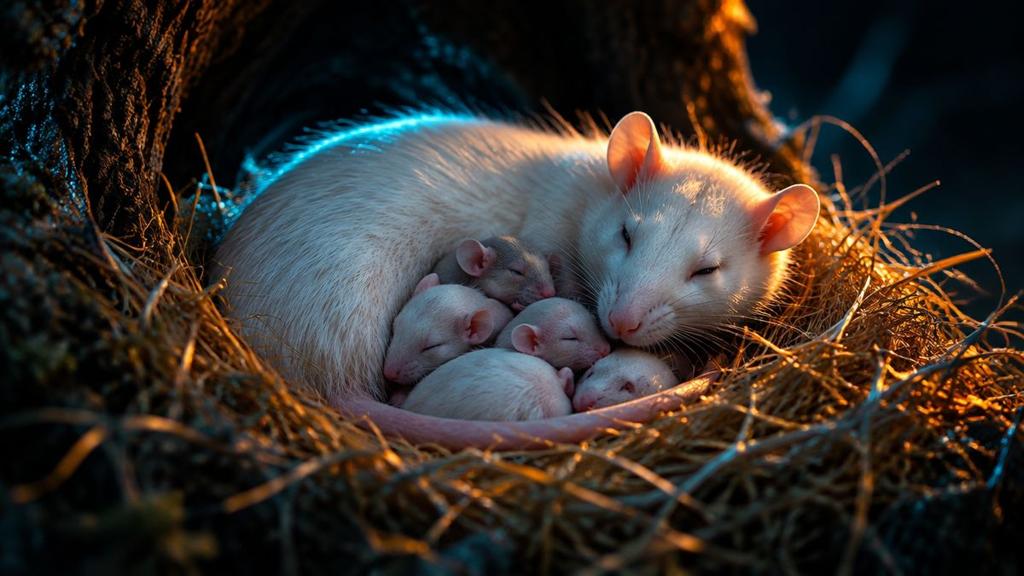
Mice can be bred to get brain changes like Alzheimer's disease. In a 2021 study, pinealon raised the number of spines in a memory area by 11%. That brought them back to the level of normal mice.
In people: Human research is small and comes from Russia. A 2015 study of 32 adults aged 41 to 83 tested pinealon and a sister peptide. They had several long-term illnesses and a lasting brain condition.
The team reported slower aging on tests of "biological age," how old the body seems. The sister peptide did more. Blood tests also showed fewer blood-forming stem cells.
A 2020 review from pinealon's lab describes a study of 72 people. All had lasting effects of a head injury. Adding pinealon to their usual care was linked with better memory and milder headaches. The review gives few details on how that study was run.
Where it stands
Pinealon is not approved by the FDA.
Most studies come from one Russian lab and its partners. Researchers want to know if other labs see the same brain-cell results. The exciting next step is large trials in people. These test it against a placebo, a dummy look-alike.
For another peptide mix made from animal brains, see Cerebrolysin.
The bottom line
- Pinealon is a three-amino-acid peptide from the St. Petersburg lab behind epitalon.
- In cells, rats and mice, it helped brain cells cope with stress and kept their links.
- Studies in people are small and early days. Bigger trials are one to watch.
FAQ
Questions people ask
- What is pinealon?
- Pinealon is a lab-made peptide, a chain of three amino acids, also called EDR. It comes from the St. Petersburg lab behind epitalon and is studied in cells and rodents for shielding brain cells from stress.
- Is pinealon FDA approved?
- No. Pinealon is not approved by the FDA. Its studies in people so far are small reports from Russia.
- What are the side effects of pinealon?
- Published studies say little about side effects. In a small 2015 Russian study of 32 adults that tested pinealon and a sister peptide, blood tests showed fewer blood-forming stem cells.
- What is the difference between pinealon and epitalon?
- Both come from the same St. Petersburg lab. Pinealon is a chain of three amino acids studied mostly in brain cells, while epitalon is a chain of four studied mostly for the tips of chromosomes and the pineal gland.
Sources8
- Word Origins of Common Neuroscience Terms for Use in an Undergraduate Classroom · Journal of Undergraduate Neuroscience Education, 2016
- EDR Peptide: Possible Mechanism of Gene Expression and Protein Synthesis Regulation Involved in the Pathogenesis of Alzheimer's Disease · Molecules, 2020 · DOI 10.3390/molecules26010159
- Pinealon increases cell viability by suppression of free radical levels and activating proliferative processes · Rejuvenation Research, 2011 · DOI 10.1089/rej.2011.1172
- Tripeptides Restore the Number of Neuronal Spines under Conditions of In Vitro Modeled Alzheimer's Disease · Bulletin of Experimental Biology and Medicine, 2017 · DOI 10.1007/s10517-017-3847-2
- Short Peptides Protect Fibroblast-Derived Induced Neurons from Age-Related Changes · International Journal of Molecular Sciences, 2024 · DOI 10.3390/ijms252111363
- Pinealon protects the rat offspring from prenatal hyperhomocysteinemia · International Journal of Clinical and Experimental Medicine, 2012
- Neuroprotective Effects of Tripeptides-Epigenetic Regulators in Mouse Model of Alzheimer's Disease · Pharmaceuticals, 2021 · DOI 10.3390/ph14060515
- Effect of synthetic peptides on aging of patients with chronic polymorbidity and organic brain syndrome of the central nervous system in remission · Advances in Gerontology (Uspekhi Gerontologii), 2015
Education only. Not medical advice. The Cell Brief summarises published research for general education. It is not medical advice, and nothing here is a recommendation to use any compound.
Which peptide family should you explore first?
Answer a few questions about your everyday life. Get your peptide family, the briefs to read first, and the full list in your inbox.
Take the quiz