The Cell BriefRecovery
Meet KPV: Three Tiny Beads That Keep a Calming Job
Three amino acids snipped from the tail of a calming hormone, and they still do much of the calming. Here is what cell and animal studies have found.

Your body has its own way to put out a fire. When tissue gets inflamed, a natural hormone called alpha-MSH helps cool things down.
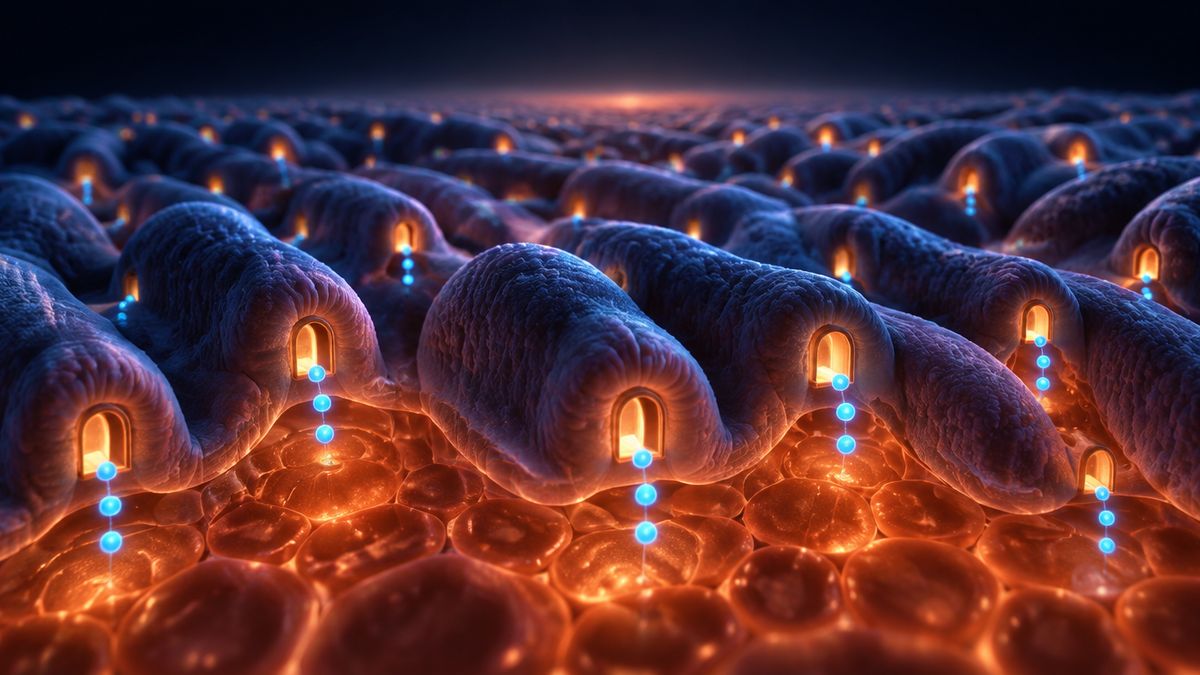
Here is the beautiful part. The last three building blocks of that hormone can do much of the calming on their own. That tiny piece is called KPV. In lab studies, gut cells even had a ready-made door that carried it inside.
What it is
A peptide is a short chain of amino acids. Think of amino acids as beads and a peptide as a short bead bracelet. New to this? Start with what a peptide is.
KPV is about as short as a bracelet gets. It has three beads: lysine (K), proline (P) and valine (V). Their letters give KPV its name.

Those three beads are the very tail end of alpha-MSH. Alpha-MSH is a hormone made in the pituitary, a pea-sized gland under the brain. It has 13 beads, and KPV is beads 11, 12 and 13.
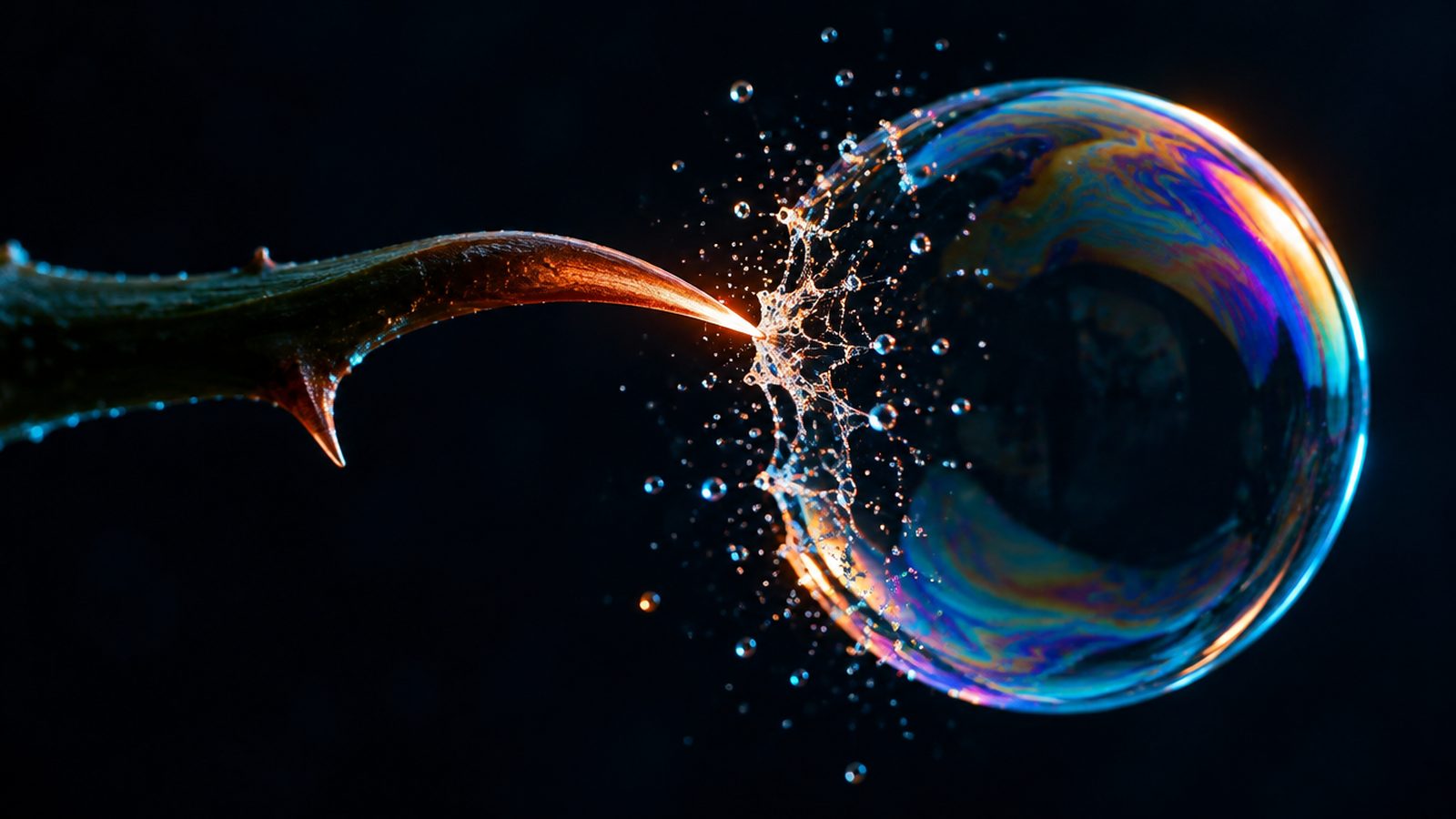
Think of alpha-MSH as a whole fire extinguisher. KPV is the nozzle. And that little nozzle can still spray.
What it does in the body
Inflammation is the body's alarm and repair crew. When it will not switch off, though, it can harm healthy tissue.
Alpha-MSH has two well-known jobs. It helps darken skin, and it helps calm inflammation. In lab studies, KPV kept the calming job and left the skin-darkening one behind. That neat split is a big reason scientists got curious.
In lab cells, KPV seems to turn down NF-kB. NF-kB is like a fire alarm switch inside the cell. When it flips on, the cell sends out signals that call in more inflammation.
How KPV does this is a fun puzzle. Many hormones work like a key in a lock, called a receptor. In lab tests, KPV did not seem to need alpha-MSH's usual locks. Its exact target is a mystery researchers are still chasing.
What scientists have found
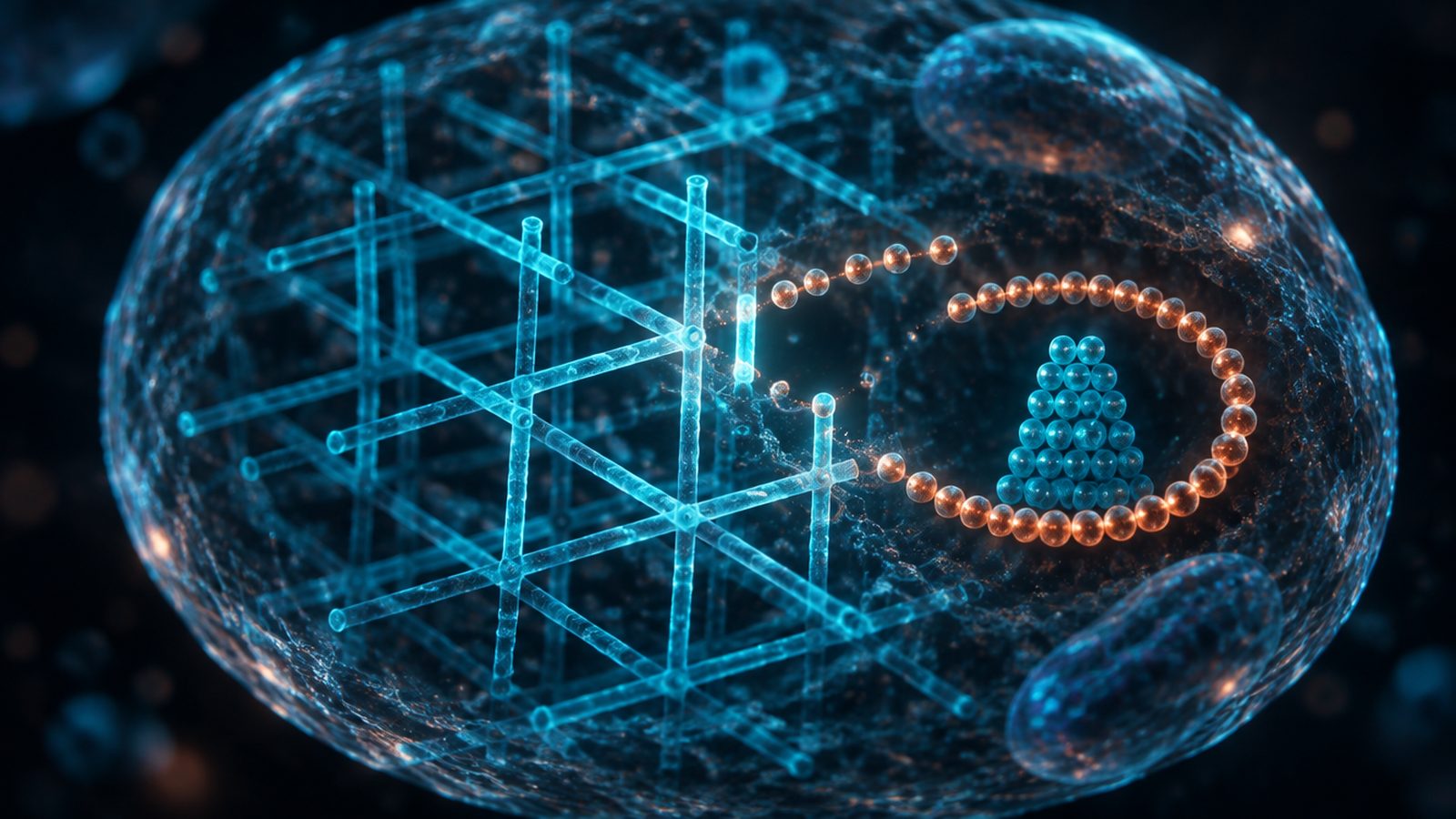
In cells: One of the neatest findings is how KPV gets in. Gut cells have tiny doors called PepT1. They let in very short bead chains from digested food. In a 2008 study, PepT1 carried KPV into the cells too.
These doors are mostly found in the small intestine. In people with an inflamed colon, they show up there too, right where the inflammation is.
In the same study, human gut cells and immune cells were stirred up with inflammation signals. Even very low levels of KPV turned down the alarm switch, so the cells sent out fewer inflammation signals.
In animals: In that 2008 study, mice with colitis, an inflamed colon, got KPV in their drinking water. Their inflammation eased.
Another 2008 study tested two kinds of colitis in mice. Mice given KPV recovered sooner and gained back more weight. KPV still worked in mice missing one of alpha-MSH's usual locks.
Later teams packed KPV into nanoparticles. These are specks far tinier than a grain of sand. In a 2010 mouse study, the specks carried KPV to the colon. They worked about as well as plain KPV at a level 12,000 times lower.
In a 2017 mouse study, coated specks helped the gut lining heal and calmed inflammation.
The calming clues reach beyond the gut. In 1989, mice treated with the tail piece had less swelling in irritated ear skin.
In a 2006 study, rabbits had a scraped eye surface. Eyes treated with KPV healed faster. By 60 hours, all eight treated eyes had a fully healed surface. None of the comparison eyes did.

In people: Human studies are the next frontier. No clinical trials of KPV in people have been published yet, and a 2026 FDA review found none.
Where it stands
KPV is not an ingredient in any FDA-approved medicine.
Researchers are eager to answer three questions. What does KPV latch onto inside cells? Will the mouse results carry over to people? Can tiny specks carry it right where it is needed?
The exciting next step is careful studies in people. It is early days, and KPV is a promising lead to watch. For another peptide tied to the gut, see BPC-157.
The bottom line
- KPV is three amino acids from the tail of alpha-MSH, and it keeps that hormone's calming job.
- In cells and mice, it turned down inflammation signals. In lab cells, tiny gut doors called PepT1 carried it inside.
- The first studies in people are the exciting next step for this elegant little peptide.
FAQ
Questions people ask
- What is KPV?
- KPV is an elegant little peptide of three amino acids: lysine, proline and valine. It is the tail end of alpha-MSH, a natural hormone that helps calm inflammation, and in lab studies it kept that calming job.
- Has KPV been tested in people?
- Not yet, and that is the exciting next step. So far the research is in cells and animals. A 2026 FDA review found no human studies of KPV.
- Is KPV approved by the FDA?
- KPV is still at the research stage. It is not an ingredient in any FDA-approved medicine.
- How does KPV work?
- In cells, it turned down NF-kB, an alarm switch for inflammation signals. In lab cells, tiny gut doors called PepT1 carried it inside. Its exact target is a mystery researchers are still chasing.
Sources8
- Alpha-melanocyte-stimulating hormone and related tripeptides: biochemistry, antiinflammatory and protective effects in vitro and in vivo, and future perspectives for the treatment of immune-mediated inflammatory diseases · Endocrine Reviews, 2008 · DOI 10.1210/er.2007-0027
- PepT1-mediated tripeptide KPV uptake reduces intestinal inflammation · Gastroenterology, 2008 · DOI 10.1053/j.gastro.2007.10.026
- Melanocortin-derived tripeptide KPV has anti-inflammatory potential in murine models of inflammatory bowel disease · Inflammatory Bowel Diseases, 2008 · DOI 10.1002/ibd.20334
- Drug-loaded nanoparticles targeted to the colon with polysaccharide hydrogel reduce colitis in a mouse model · Gastroenterology, 2010 · DOI 10.1053/j.gastro.2009.11.003
- Orally targeted delivery of tripeptide KPV via hyaluronic acid-functionalized nanoparticles efficiently alleviates ulcerative colitis · Molecular Therapy, 2017 · DOI 10.1016/j.ymthe.2016.11.020
- Antiinflammatory activity of a COOH-terminal fragment of the neuropeptide alpha-MSH · FASEB Journal, 1989 · DOI 10.1096/fasebj.3.11.2550304
- Effects of the COOH-terminal tripeptide alpha-MSH(11-13) on corneal epithelial wound healing: role of nitric oxide · Experimental Eye Research, 2006 · DOI 10.1016/j.exer.2006.07.014
- FDA Briefing Document: KPV-Related Bulk Drug Substances, Pharmacy Compounding Advisory Committee meeting, July 23-24, 2026 · U.S. Food and Drug Administration, 2026
Education only. Not medical advice. The Cell Brief summarises published research for general education. It is not medical advice, and nothing here is a recommendation to use any compound.
One brief a week
One brief per compound. Unsubscribe anytime.