The Cell BriefSkin & Hair
Collagen Peptides: The Tiny Pieces That Reach Your Blood
Swallowed collagen can leave tiny pieces in your blood, and in lab dishes, skin cells respond to them. Here is what studies have found so far.

Your skin, bones and tendons are held together mostly by one protein. It is the most common protein in animals, and that includes you. Its name is collagen.
Here is the exciting part. When you swallow collagen in small pieces, some of those pieces make it into your blood. Scientists are now asking what they might say to your skin.
What it is
Collagen works like the ropes and scaffolding of your body. Each collagen rope is made of three thin strands twisted together, like a braid.

Like all proteins, collagen is a chain of amino acids. Think of amino acids as beads. A peptide is a short bead bracelet. New to this? Start with what a peptide is.
Collagen is a very long necklace. To make collagen peptides, makers cut it into small pieces with enzymes. Enzymes are like tiny scissors. This step is called hydrolysis.
The collagen in supplements comes from animals. The main sources are cows, pigs and fish.
What it does in the body
Your body makes its own collagen. In the deep layer of your skin, builder cells called fibroblasts spin it out.

Your gut breaks most protein down into single beads, and most swallowed collagen goes the same way. But some of it slips through in tiny pieces.
In a 2005 study in Japan, healthy volunteers swallowed gelatin pieces. (Gelatin is cooked collagen.) The pieces came from pig skin, chicken feet and cartilage.
Soon, small collagen pieces showed up in their blood. Levels peaked after one to two hours. By four hours, they had dropped by half.
The main piece was called Pro-Hyp. It is a tiny piece, two beads long.
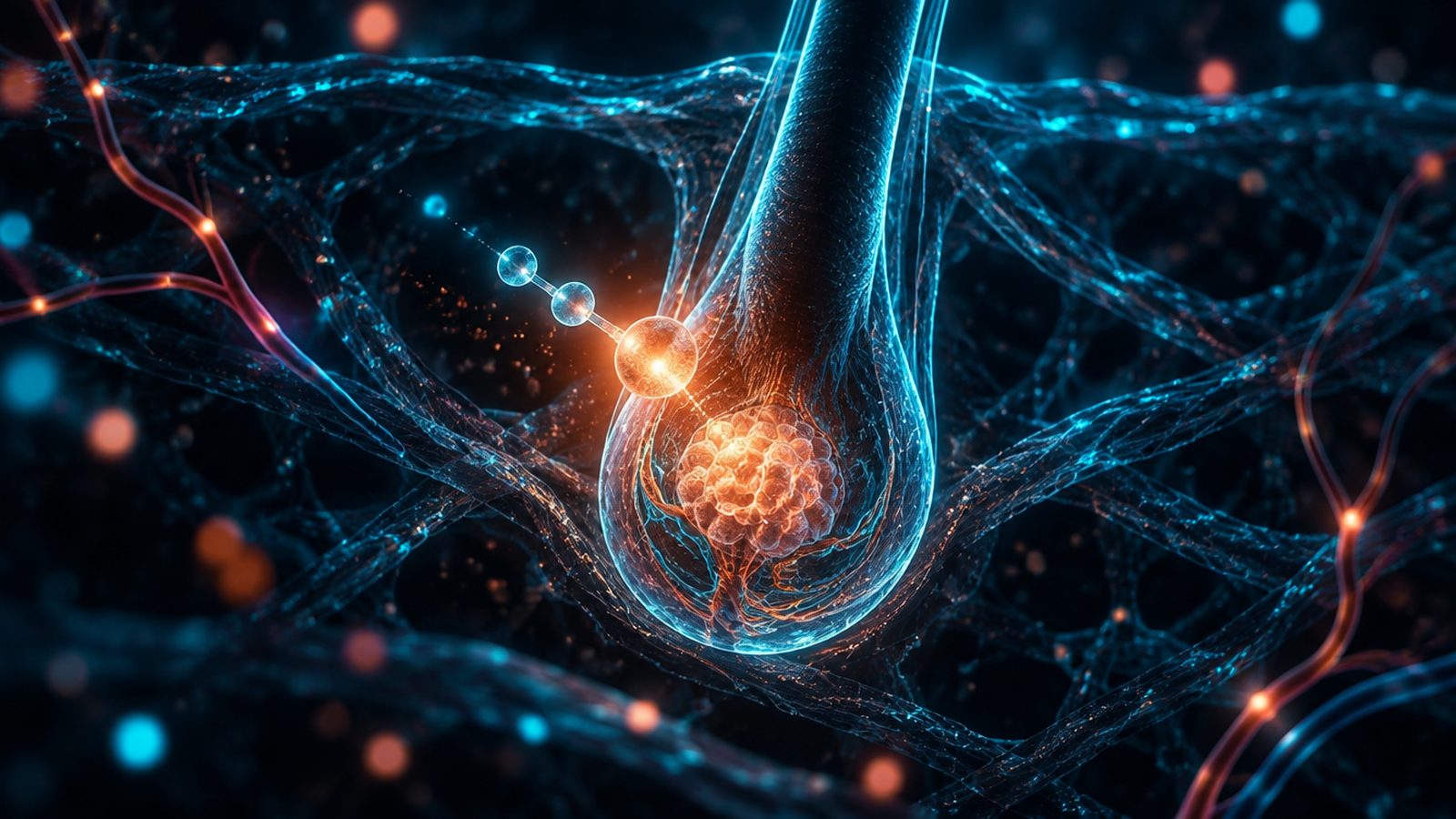
That sparked a fun new question. Could these tiny pieces carry a message to skin cells?
What scientists have found
In cells: In 2010, a team at a Japanese food company added Pro-Hyp to human skin builder cells in a dish. The cells grew about 1.5 times more.
They also made almost four times more hyaluronic acid. That is a gel that holds water in skin, like a sponge.
In a 2019 study, collagen peptides made from fish scales were added to human skin cells. The cells made more of the starting form of collagen. They also made less of a tool that cuts collagen apart.
In animals: In that same 2019 study, rats were fed the fish-scale peptides. Two-bead pieces, including Pro-Hyp, rose sharply in their blood.
Then hairless mice got the peptides for 12 weeks. Their skin was also exposed to UV light, like harsh sun. These mice formed fewer wrinkles than mice without the peptides. Their skin held more water too.

In people: Many trials have now tested collagen peptides for skin. A 2025 review pooled 23 of them, with 1,474 people. Taken all together, skin was better hydrated and more elastic, with fewer wrinkles.
In the review, those gains showed up in trials paid for by companies; trials without company money, and the best-run trials, did not show a clear effect.
In an earlier 2014 trial, 69 women aged 35 to 55 took collagen peptides or a placebo, a dummy look-alike. After 8 weeks, skin in the collagen groups was more elastic. That means it bounced back better when stretched. Skin moisture did not change by a clear amount.
Researchers are still learning how big the effect in people is. That is where the next trials come in.
Where it stands
Collagen peptides are sold as a dietary supplement, not a drug. In the US, supplements do not need FDA approval before they are sold.
The exciting next step is bigger trials run by independent teams. Researchers also want to know which tiny pieces matter most, and how many reach the skin. Collagen peptides are one to watch.
Curious about another peptide that talks to skin's builder cells? Read about GHK-Cu, the copper peptide.
The bottom line
- Collagen is the body's ropes and scaffolding. Collagen peptides are small pieces of it, often from cows, pigs or fish.
- Some tiny pieces, like Pro-Hyp, reach the blood. In cells and mice, they nudged skin's builder cells into action.
- Pooled trials in people found better skin hydration and elasticity. Bigger independent trials are the exciting next step.
FAQ
Questions people ask
- What are collagen peptides?
- They are small pieces of collagen, the most common protein in animals. Makers cut collagen into pieces with enzymes, most often from cows, pigs or fish.
- Does collagen get absorbed or just digested?
- Some small pieces make it into the blood. In a 2005 study, a two-amino-acid piece called Pro-Hyp peaked in people's blood one to two hours after they swallowed gelatin pieces. The rest is digested like other protein.
- What do studies say about collagen peptides and skin?
- A 2025 review of 23 trials found better skin hydration and elasticity overall. The gains showed up mainly in company-funded trials, so bigger independent trials are the exciting next step.
- Are collagen peptides approved by the FDA?
- They are sold as a dietary supplement, not a drug. In the US, supplements do not need FDA approval before they are sold.
Sources8
- Collagen structure and stability · Annual Review of Biochemistry, 2009 · DOI 10.1146/annurev.biochem.77.032207.120833
- Hydrolyzed Collagen—Sources and Applications · Molecules, 2019 · DOI 10.3390/molecules24224031
- Identification of food-derived collagen peptides in human blood after oral ingestion of gelatin hydrolysates · Journal of Agricultural and Food Chemistry, 2005 · DOI 10.1021/jf050206p
- Collagen-derived dipeptide, proline-hydroxyproline, stimulates cell proliferation and hyaluronic acid synthesis in cultured human dermal fibroblasts · Journal of Dermatology, 2010 · DOI 10.1111/j.1346-8138.2010.00827.x
- Orally administered collagen peptide protects against UVB-induced skin aging through the absorption of dipeptide forms, Gly-Pro and Pro-Hyp · Bioscience, Biotechnology, and Biochemistry, 2019 · DOI 10.1080/09168451.2019.1580559
- Oral supplementation of specific collagen peptides has beneficial effects on human skin physiology: a double-blind, placebo-controlled study · Skin Pharmacology and Physiology, 2014 · DOI 10.1159/000351376
- Effects of Collagen Supplements on Skin Aging: A Systematic Review and Meta-Analysis of Randomized Controlled Trials · The American Journal of Medicine, 2025 · DOI 10.1016/j.amjmed.2025.04.034
- Questions and Answers on Dietary Supplements · U.S. Food and Drug Administration, 2026
Education only. Not medical advice. The Cell Brief summarises published research for general education. It is not medical advice, and nothing here is a recommendation to use any compound.
One brief a week
One brief per compound. Unsubscribe anytime.