The Cell BriefSkin & Hair
Melanotan II: How Arizona Scientists Chased a Sun-Free Tan
In the 1980s, Arizona scientists copied the body's own tanning signal. Here is the story of Melanotan II and the peptides it inspired.

In the 1980s, a team at the University of Arizona chased a bold idea. Could skin get a tan before it ever saw the sun? Such a tan might help guard skin.
Their plan was clever. They would borrow a signal the body already makes. One of the long-lasting copies they built is Melanotan II. Some call it the "tanning peptide."
What it is
A peptide is a short chain of amino acids. Think of amino acids as beads and a peptide as a short bead bracelet. New to this? Start with what a peptide is.
Your body makes a peptide called alpha-MSH. It is a chain of 13 beads. In the skin, its message is simple: make more pigment.
The team wanted copies that would last longer. They also wanted copies that could stand up to the body's enzymes. Enzymes are tiny scissors that cut peptides apart.
Two of their copies went on to be tested in people. The first was Melanotan I, a straight chain. Today it goes by the name afamelanotide.
The second was Melanotan II. It is shorter, just 7 beads. Its ends are joined into a ring, like a bracelet with the clasp closed.

What it does in the body
Melanin is the dark pigment in skin and hair. It works like a built-in sun umbrella. A tan is simply more of it.
Pigment cells carry a lock on their surface called MC1R. Alpha-MSH is the key. When the key turns, the cell makes more of the dark kind of melanin.

Melanotan II fits that lock too. It also fits other locks in the same family. Some of them sit in the brain, where they help control hunger.
So it did more than darken skin. In mice, it changed appetite. In men, it set off sexual effects.
That surprise opened a whole new path. Scientists made a cousin peptide from it, called PT-141, to study sexual health.
What scientists have found
In cells: In 1989, the Arizona team tested the ring-shaped peptide on mouse pigment cells in a dish. It turned on pigment making at least as well as alpha-MSH did.
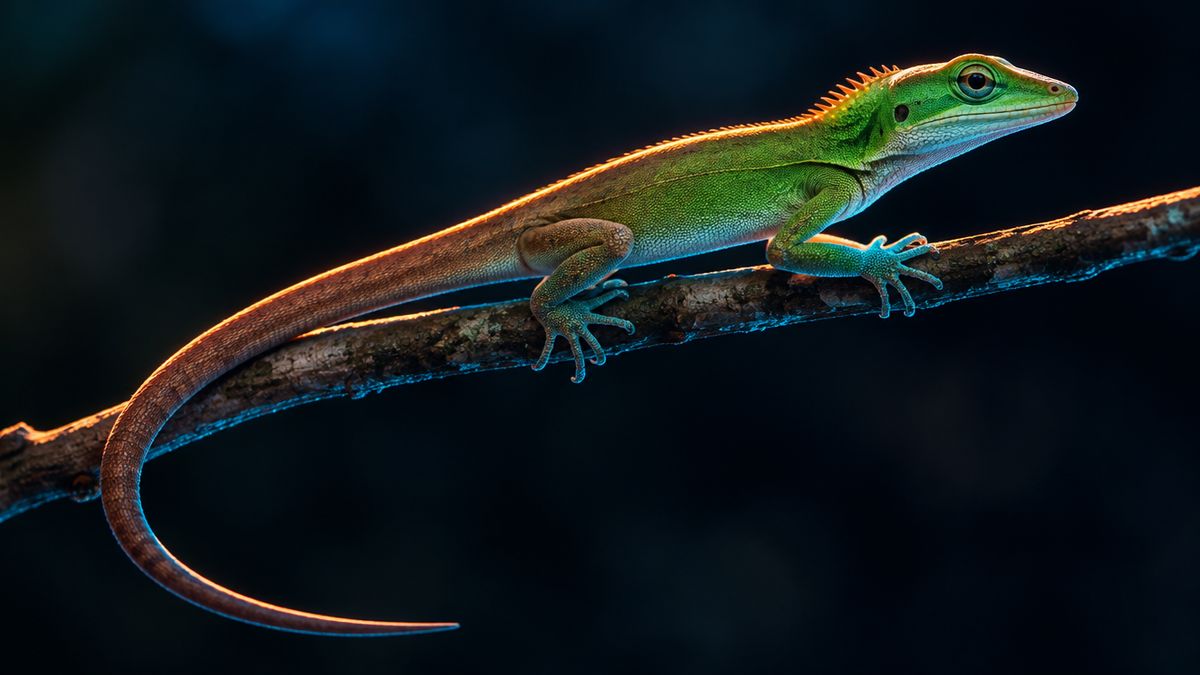
They also tested it on bits of frog and lizard skin. Skin like this darkens when the signal arrives.
The ring version shone here too. Its effect lasted longer than alpha-MSH. It also held up well against the enzymes that cut peptides apart.
In animals: In that same study, the peptide was rubbed onto the skin of mice. It passed through the skin and reached the roots of their hair.
There, it changed the pigment from a yellow-red type to a dark brown-black type.
In a 1997 study, it was placed straight into the brains of hungry mice. They ate less. It also cut eating in mice that overeat because of their genes.
In people: In a small 1996 pilot study, 3 healthy men got the peptide. A week after the last shot, 2 of them had darker skin on the face, upper body and buttocks. A light meter confirmed what the eye could see.
The men also had mild nausea, stretching and yawning, and erections that came on by themselves. Doctors have also seen new or fast-changing moles in people using melanotan products sold without a license.
Where it stands
The Arizona family has a proud record. Melanotan I, now called afamelanotide, became an FDA-approved drug in 2019 as Scenesse. It is for EPP, a rare condition where light causes painful skin reactions.
PT-141 was approved in 2019 too, as Vyleesi. It is for a type of low sexual desire in women before menopause.
Melanotan II itself is not approved as a medicine anywhere. Health agencies, including the UK's, have warned about unlicensed melanotan tanning products.
The big idea from the Arizona work still shines. Can a tan made without the sun help protect skin? That question lives on in the Melanotan I line. It is one to watch.
Curious about other skin peptides? Meet GHK-Cu, a tiny copper-carrying peptide.
The bottom line
- Melanotan II is a 7-amino-acid, ring-shaped copy of alpha-MSH, the body's own "make more pigment" signal.
- It darkened skin in a tiny 1996 study, and its effects in the brain inspired PT-141.
- Its kin, afamelanotide and PT-141, became FDA-approved drugs. Sun-free tanning science is one to watch.
FAQ
Questions people ask
- What is Melanotan II?
- Melanotan II is a lab-made peptide of 7 amino acids, joined in a ring. It copies alpha-MSH, the body's own signal for making skin pigment, and it grew out of Arizona research on tanning without the sun.
- Is Melanotan II approved by the FDA?
- Its relatives are FDA-approved medicines: afamelanotide for a rare light-sensitivity condition called EPP, and PT-141 for a type of low sexual desire in women before menopause. Melanotan II itself is not approved as a medicine anywhere.
- What is the difference between Melanotan I and Melanotan II?
- Melanotan I, now called afamelanotide, is a straight chain. Melanotan II is shorter and ring-shaped, and it also acts on brain receptors tied to hunger and sexual response.
- What side effects have been reported with Melanotan II?
- In a small 1996 study, men reported mild nausea, stretching and yawning, and erections that came on by themselves. Doctors have also reported new or fast-changing moles in people using unlicensed melanotan products.
Sources9
- UA-discovered drug for skin disease approved for patients in Europe · University of Arizona Cancer Center, 2014
- Linear and cyclic alpha-melanotropin [4-10]-fragment analogues that exhibit superpotency and residual activity · Pigment Cell Research, 1989 · DOI 10.1111/j.1600-0749.1989.tb00242.x
- Evaluation of melanotan-II, a superpotent cyclic melanotropic peptide in a pilot phase-I clinical study · Life Sciences, 1996 · DOI 10.1016/0024-3205(96)00160-9
- Role of melanocortinergic neurons in feeding and the agouti obesity syndrome · Nature, 1997 · DOI 10.1038/385165a0
- Melanocortin peptide therapeutics: historical milestones, clinical studies and commercialization · Peptides, 2006 · DOI 10.1016/j.peptides.2005.01.029
- Risks of unregulated use of alpha-melanocyte-stimulating hormone analogues: a review · International Journal of Dermatology, 2017 · DOI 10.1111/ijd.13585
- SCENESSE (afamelanotide) implant: prescribing information and approval history, NDA 210797 · U.S. Food and Drug Administration (Drugs@FDA), 2019
- Melanotan injections are illegal and possibly unsafe · Cancer Research UK, 2009
- VYLEESI (bremelanotide injection): approval history, NDA 210557 · U.S. Food and Drug Administration (Drugs@FDA), 2019
Education only. Not medical advice. The Cell Brief summarises published research for general education. It is not medical advice, and nothing here is a recommendation to use any compound.
One brief a week
One brief per compound. Unsubscribe anytime.