The Cell BriefBasics
Insulin: The Peptide That Changed Medicine
Meet the tiny key that lets sugar into your cells. Here is how it went from a Toronto lab in 1922 to the first medicine made with genetic engineering, and opened the door for peptide drugs.

A hundred years ago, the kind of diabetes we now call type 1 was deadly. The best doctors could offer was a near-starvation diet.
Then a team in Toronto found a tiny messenger hiding in the pancreas. They called it insulin. In 1923, it became the first peptide drug sold as a medicine. It gave people with type 1 diabetes a way to survive, and it launched a whole new kind of medicine.
What it is
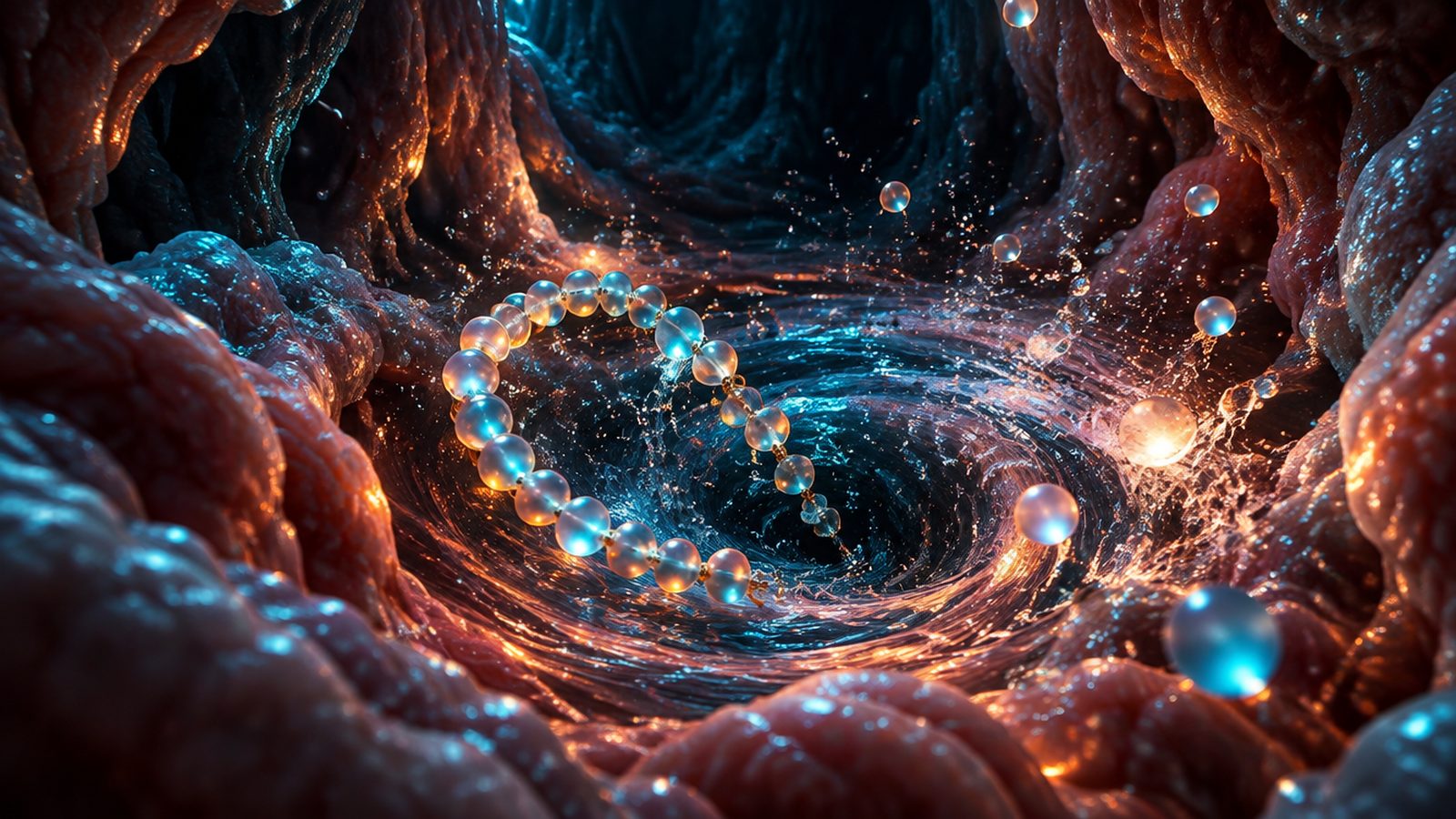
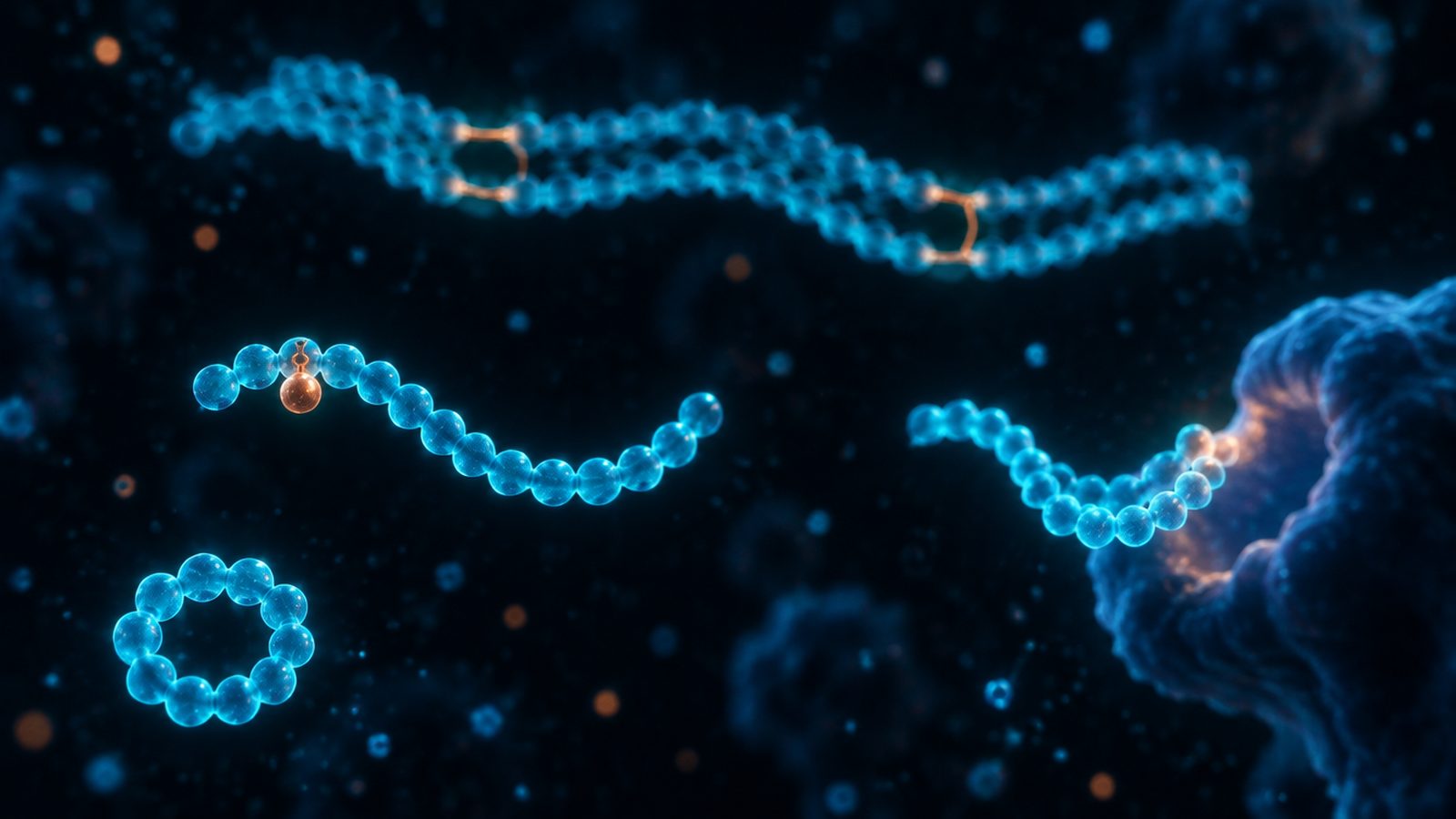
A peptide is a chain of amino acids. Think of amino acids as beads and a peptide as a bead bracelet. New to this? Start with what a peptide is.
Insulin has 51 beads in two strands. That is big for a peptide, so scientists also call it a small protein. One strand has 21 beads. The other has 30.
Tiny bridges link the strands, like rungs on a rope ladder.
Insulin is made in the pancreas, an organ in your belly. It holds one to two million tiny clusters of cells called islets, like little islands. Beta cells on these islands make insulin.
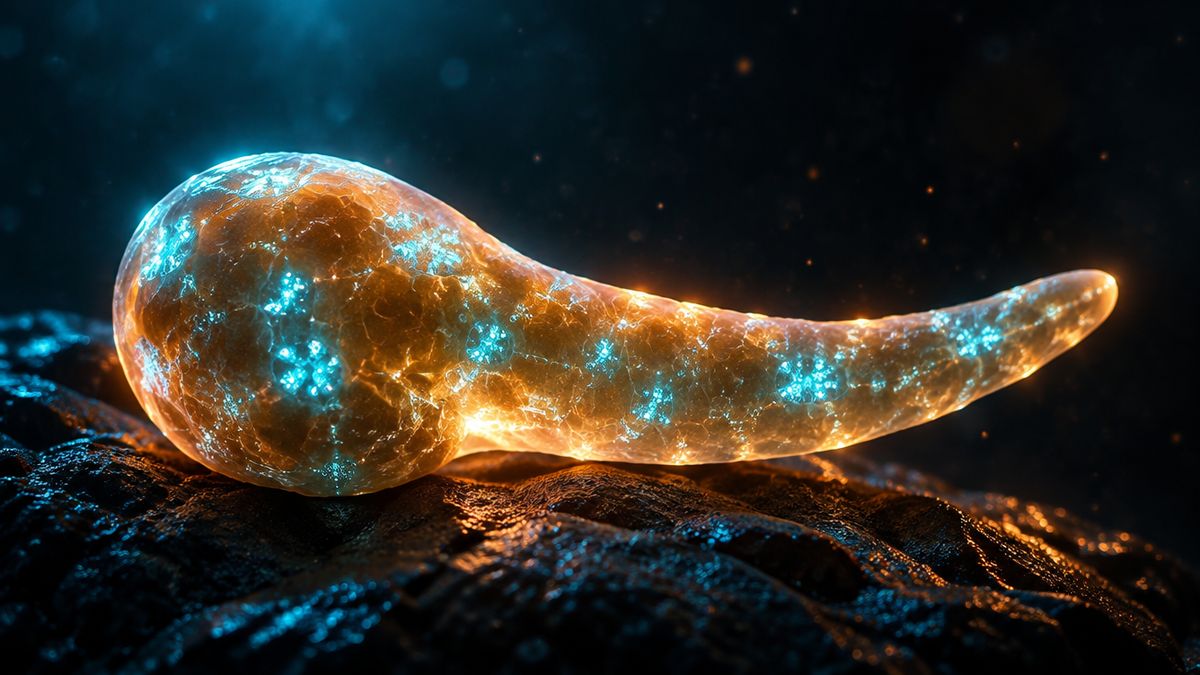
Insulin made history again in 1955. It became the first protein to have every bead in its chain read, in order. That showed each protein has its own exact bead pattern, a huge discovery that won a Nobel Prize in 1958.
What it does in the body
After a meal, sugar from your food moves into your blood. Your cells need that sugar for energy. But it cannot just walk in.
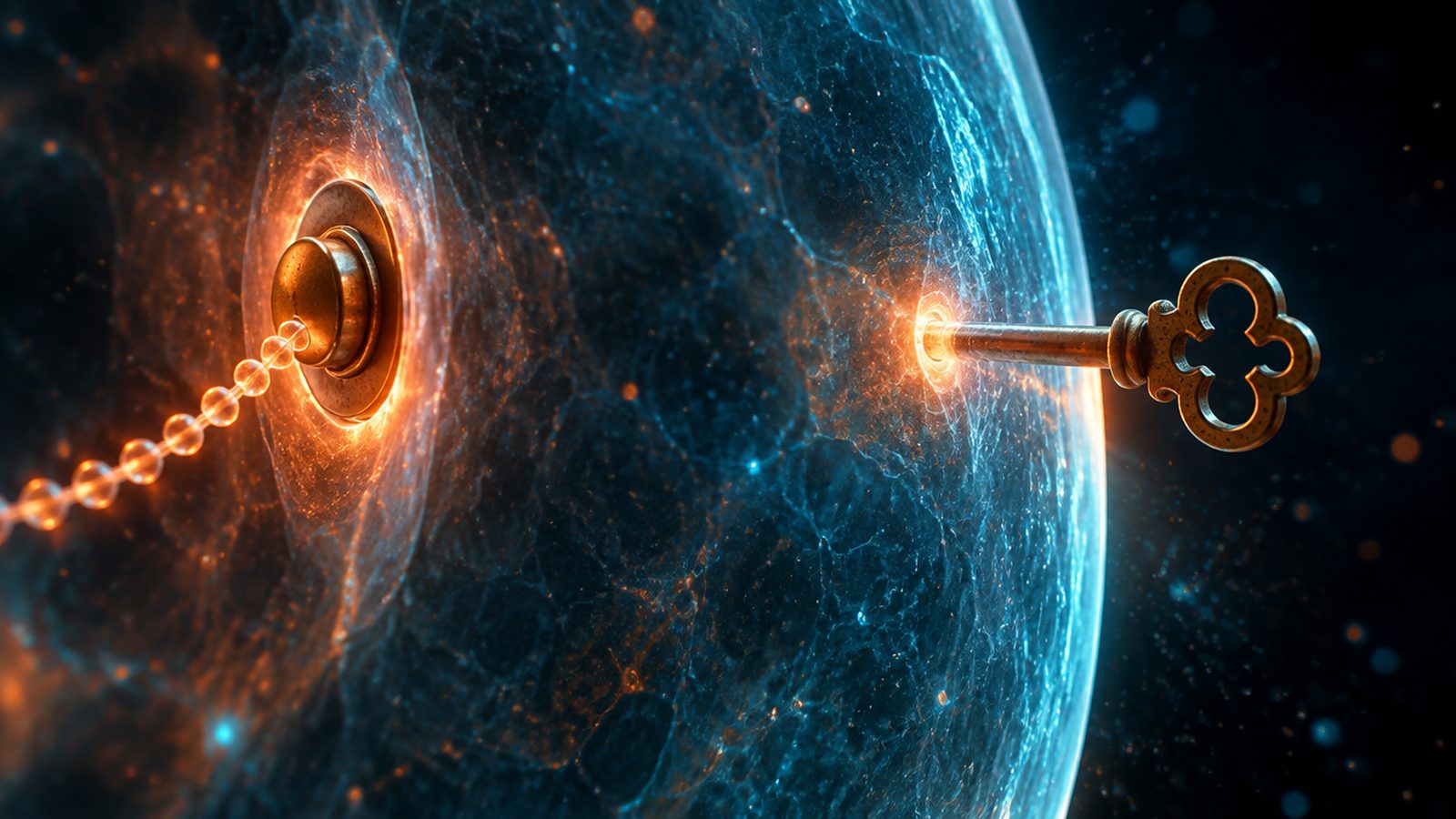
Insulin works like a key. It fits a lock, called a receptor, on the outside of a cell. When the key turns, the cell opens up to sugar.
Insulin also tells the liver to store extra sugar for later, like food in a pantry. Together, these steps bring blood sugar down.
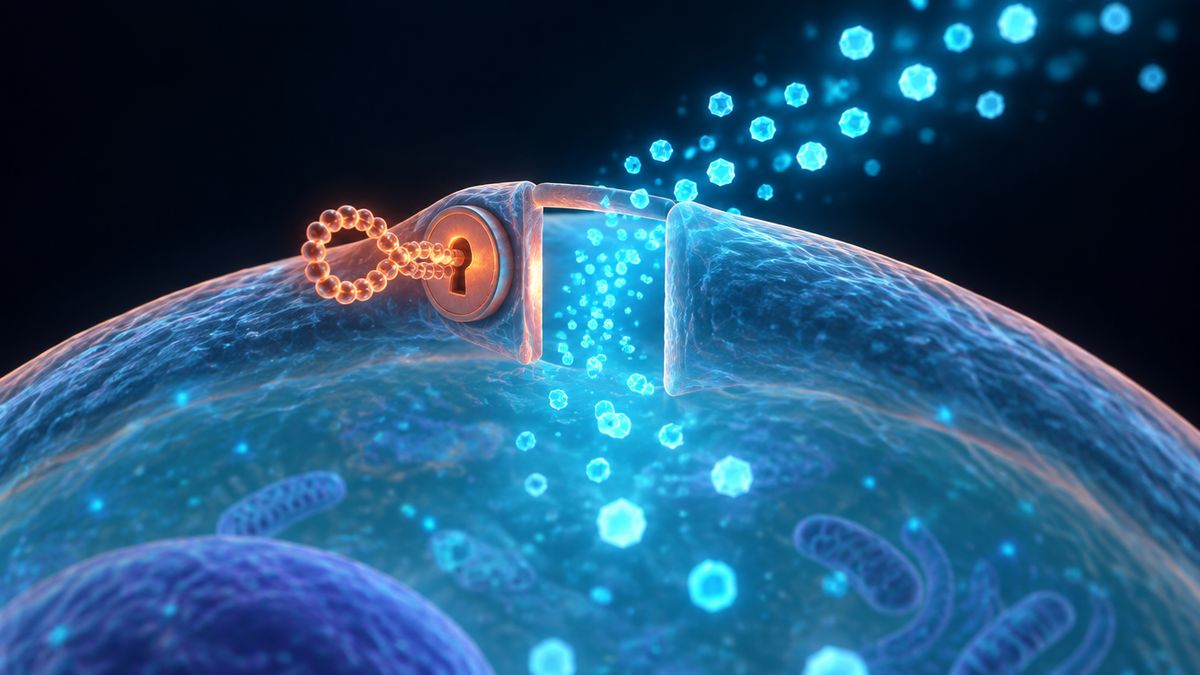
In type 1 diabetes, the body makes too little insulin, so sugar piles up in the blood. People with type 1 diabetes need insulin to survive.
What scientists have found
In cells: Scientists have traced what happens after the key turns. A chain of signals races through the cell, like falling dominoes.
In muscle and fat cells, those signals send sugar doors up to the cell's surface. More doors means more sugar can flow in.
In animals: In May 1921, the Toronto team began testing a liquid made from the pancreas. They gave it to dogs with diabetes.
It was a breakthrough. For the first time, someone had controlled blood sugar in a diabetic animal. A chemist then joined the team and made the liquid much cleaner.
In people: In January 1922, a very sick 14-year-old boy lay in a Toronto hospital. He became the first person treated with insulin.
The first try lowered his blood sugar a little. The team made the liquid cleaner and tried again on January 23. This time, his blood sugar dropped back to normal.
In 1923, two leaders of the team won the Nobel Prize for discovering insulin.
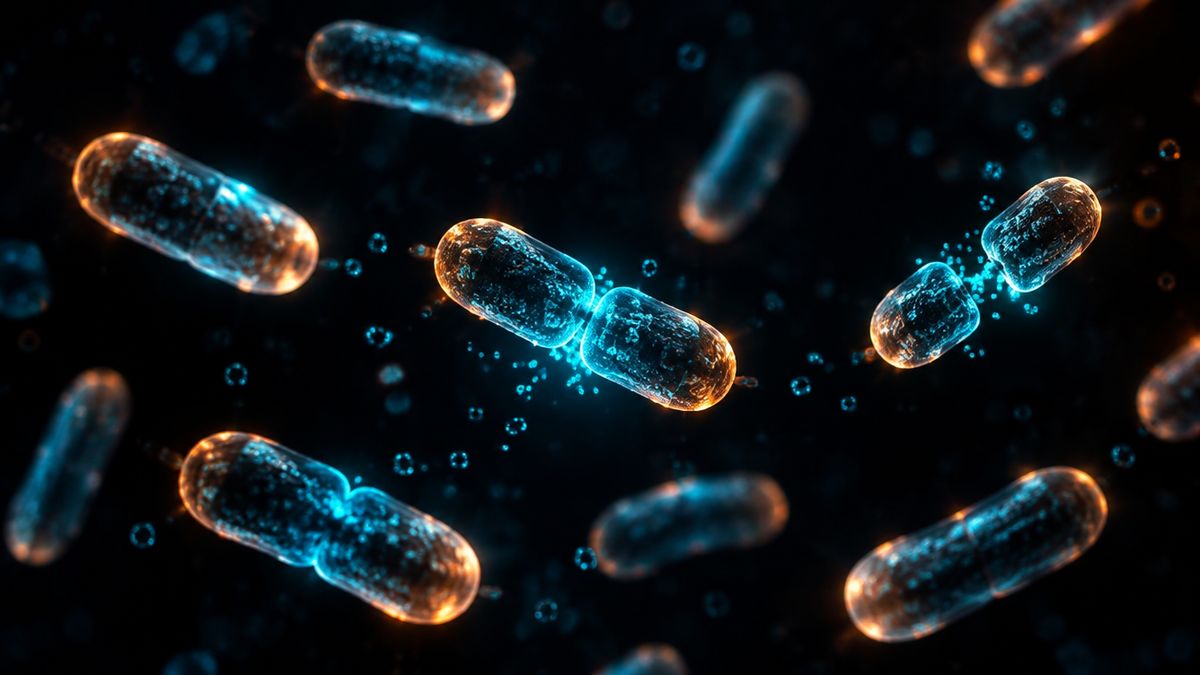
For decades, insulin came from the pancreas of cows and pigs. Then came a brilliant idea. In 1978, scientists placed the recipes for human insulin's two strands into a common kind of bacteria. The bacteria became tiny factories.
In 1980, this new insulin was first tested in 17 volunteers without diabetes in England.
Where it stands
Insulin is an FDA-approved medicine, and it set another record. In 1982, human insulin made by bacteria became the first approved medicine made with genetic engineering. That means editing a living thing's DNA recipe book.
In 2017, about 9 million people had type 1 diabetes. For them, insulin is a daily lifeline.
And the story keeps going. Since the 1980s, scientists have cleverly swapped a few beads to fine-tune how insulin works. By 2018, more than 140 trials had tested pumps linked to a sugar sensor, a kind of artificial pancreas.
Insulin also opened the door for a whole family of peptide medicines. More than 80 have been approved around the world, including the GLP-1 drugs. It all started with one tiny key.
The bottom line
- Insulin is a 51-amino-acid hormone made by beta cells in the pancreas. It works like a key that opens cells to sugar.
- It was first given to a person in 1922. Today, it is a daily lifeline for people with type 1 diabetes.
- It was the first protein to have its full bead pattern read and the first medicine made with genetic engineering. It opened the door for more than 80 peptide drugs.
FAQ
Questions people ask
- Is insulin a peptide or a protein?
- Both names fit. Insulin is a chain of 51 amino acids in two strands. That is big for a peptide, so it is often called a small protein or a peptide hormone.
- Who discovered insulin?
- A team at the University of Toronto discovered it in 1921 and 1922. It was such a big breakthrough that two of its leaders won the 1923 Nobel Prize in Physiology or Medicine.
- How does insulin work?
- Insulin works like a key in a lock on the outside of a cell. When it turns, muscle and fat cells move sugar doors to their surface, and the liver stores extra sugar for later.
- Is insulin approved by the FDA?
- Yes. Insulin was the first peptide medicine, and it is FDA-approved. In 1982, human insulin made by bacteria became the first approved medicine made with genetic engineering.
Sources8
- The Discovery of Insulin: An Important Milestone in the History of Medicine · Frontiers in Endocrinology, 2018 · DOI 10.3389/fendo.2018.00613
- 100 Years of Insulin · U.S. Food and Drug Administration (FDA History Exhibits), 2022
- The Nobel Prize in Physiology or Medicine 1923 · NobelPrize.org (Nobel Prize Outreach), 1923
- Protein of the 20th century (Protein Spotlight, issue 9) · SIB Swiss Institute of Bioinformatics (Swiss-Prot group), 2001
- Insulin (human), UniProtKB entry P01308 (INS_HUMAN) · UniProt Consortium, 2026
- Role of Insulin in Health and Disease: An Update · International Journal of Molecular Sciences, 2021 · DOI 10.3390/ijms22126403
- Therapeutic peptides: current applications and future directions · Signal Transduction and Targeted Therapy, 2022 · DOI 10.1038/s41392-022-00904-4
- Diabetes (fact sheet) · World Health Organization, 2024
Education only. Not medical advice. The Cell Brief summarises published research for general education. It is not medical advice, and nothing here is a recommendation to use any compound.
One brief a week
One brief per compound. Unsubscribe anytime.