The Cell BriefBasics
Peptides vs Steroids: The Messengers That Ring the Doorbell
Both are hormones, but they are built from different stuff. Peptides are bead chains that politely ring the cell's doorbell. Steroids walk right in.
Peptides and steroids often get lumped together. Both are hormones. So are they the same thing?
Not even close, and the difference is a fun story. They are built from different stuff. And they deliver their messages in opposite ways. Peptides ring the doorbell. Steroids walk right in.
What it is
A hormone is a messenger. It travels through the blood and tells cells far away what to do. Peptides and steroids are two big families of these messengers.
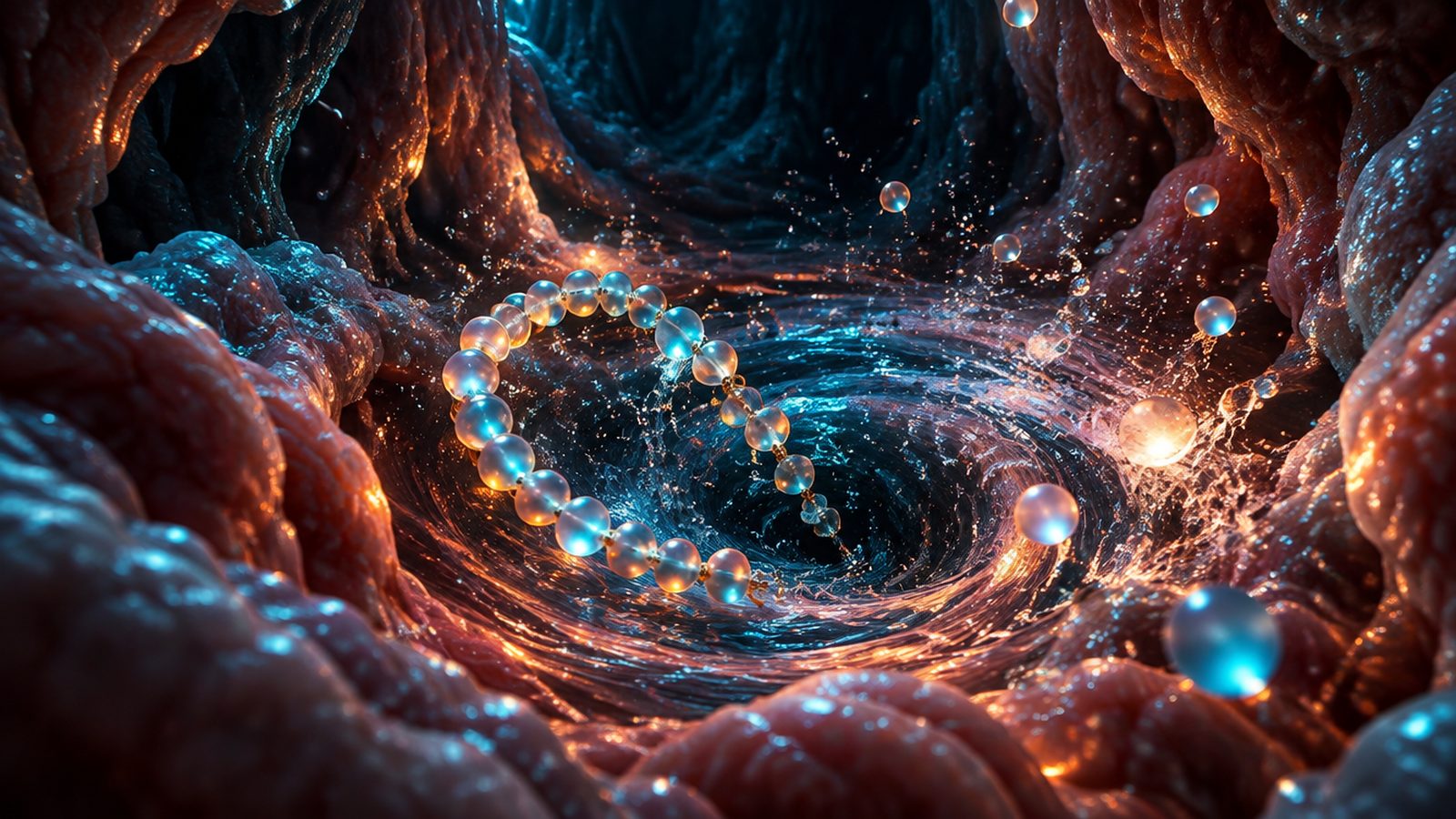
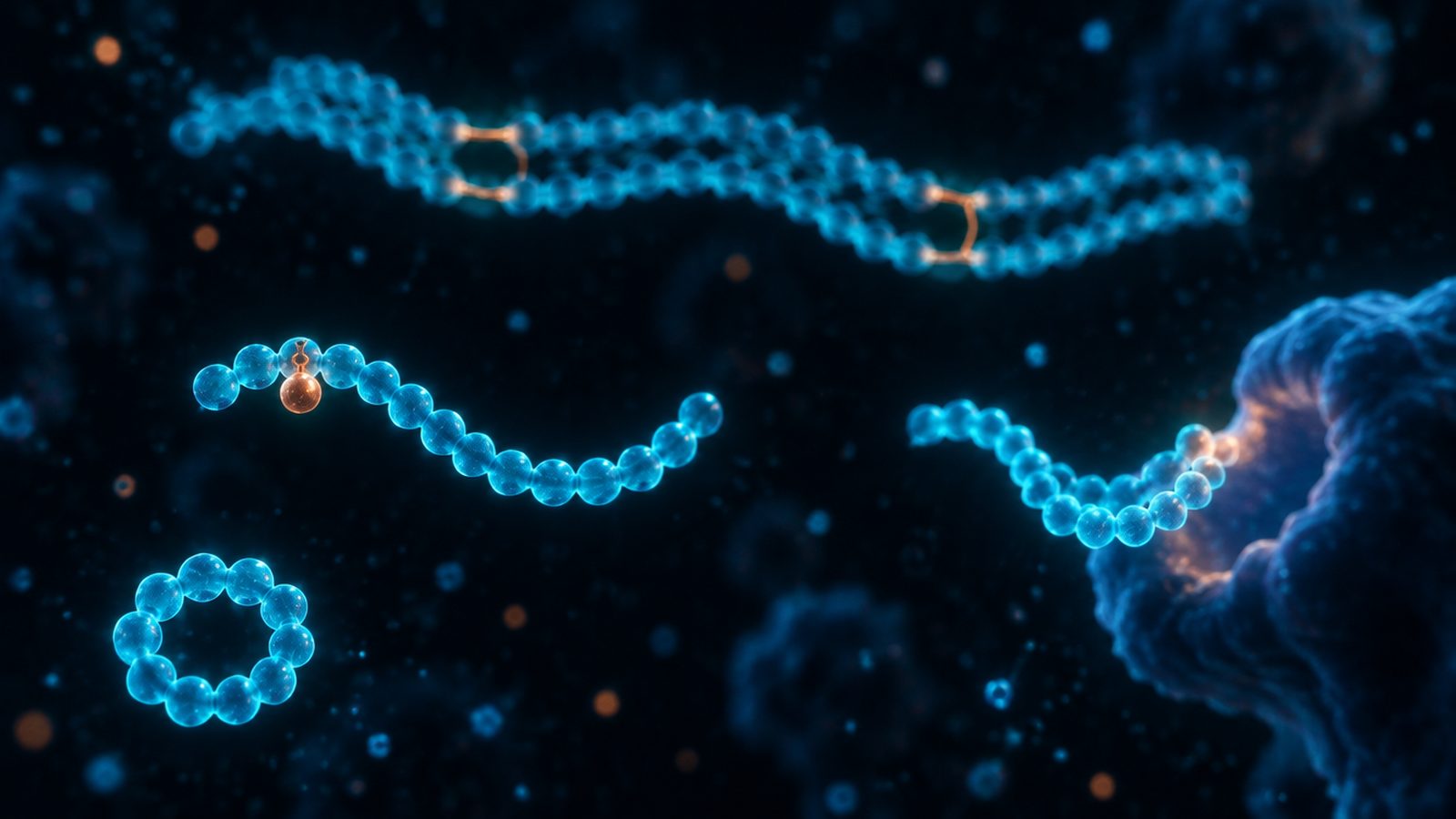
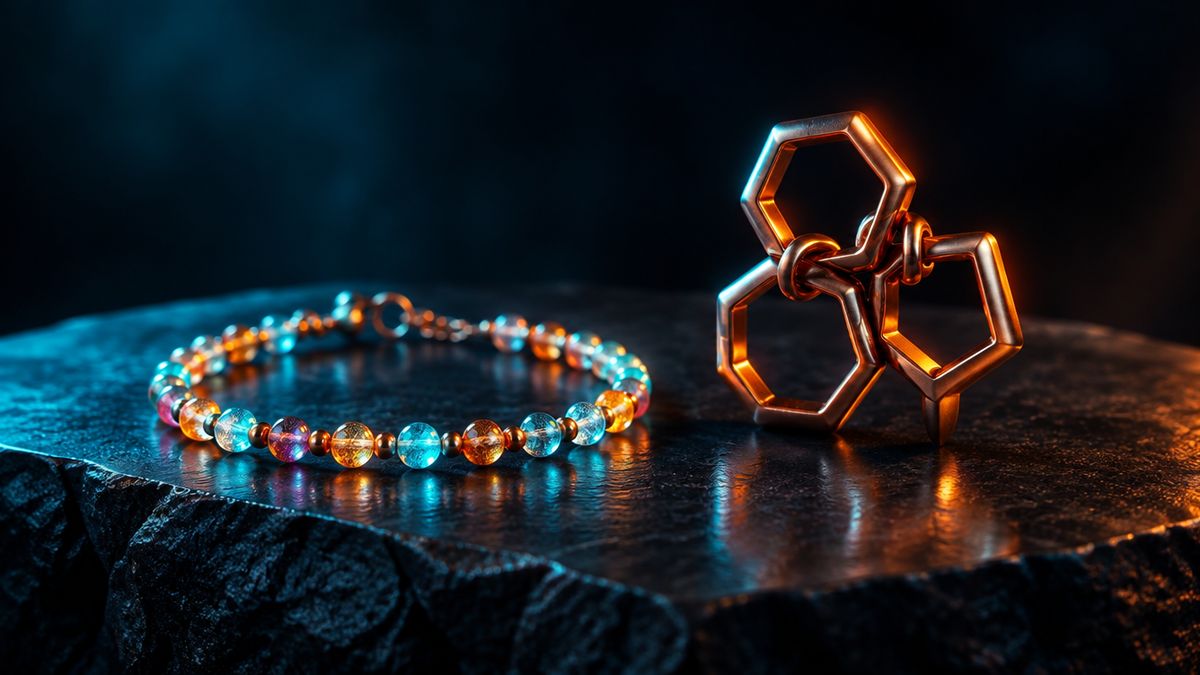
A peptide is a short chain of amino acids. Think of amino acids as beads and a peptide as a short bead bracelet. New here? Start with what a peptide is.
Your body uses peptide messengers for all kinds of jobs. Oxytocin is one. Insulin is a longer chain, so some books call it a small protein. It still sends its message the peptide way.
A steroid is built from something else. Your body makes it from cholesterol, a fatty substance. Like candle wax, it does not mix with water.

A steroid is a compact shape made of a few carbon rings joined together. Testosterone, estrogen and cortisol are all steroid hormones.
What it does in the body
Every cell is wrapped in a thin, oily skin called the membrane. Oil and water do not mix. So this skin decides what gets in.
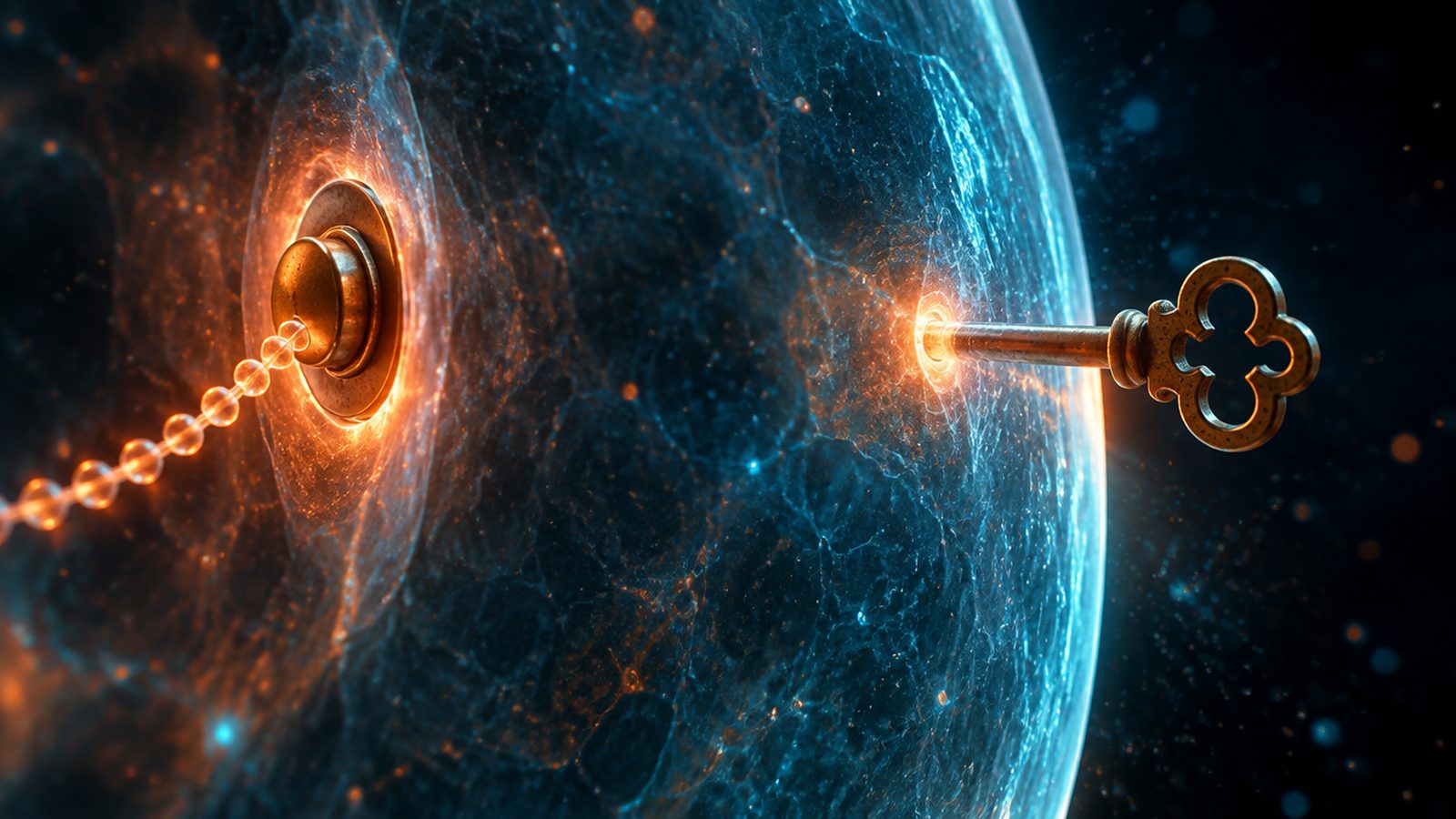
Peptides love water, so they stay outside the oily skin. Instead, they do something clever: they press a doorbell. That doorbell is a receptor, a protein on the cell's surface that catches the message.
When the bell rings, a helper molecule inside the cell passes the news along. Scientists call it a second messenger. It works like a relay runner.
Steroids are different. They are fatty, so they slip right through the oily skin. No doorbell needed.
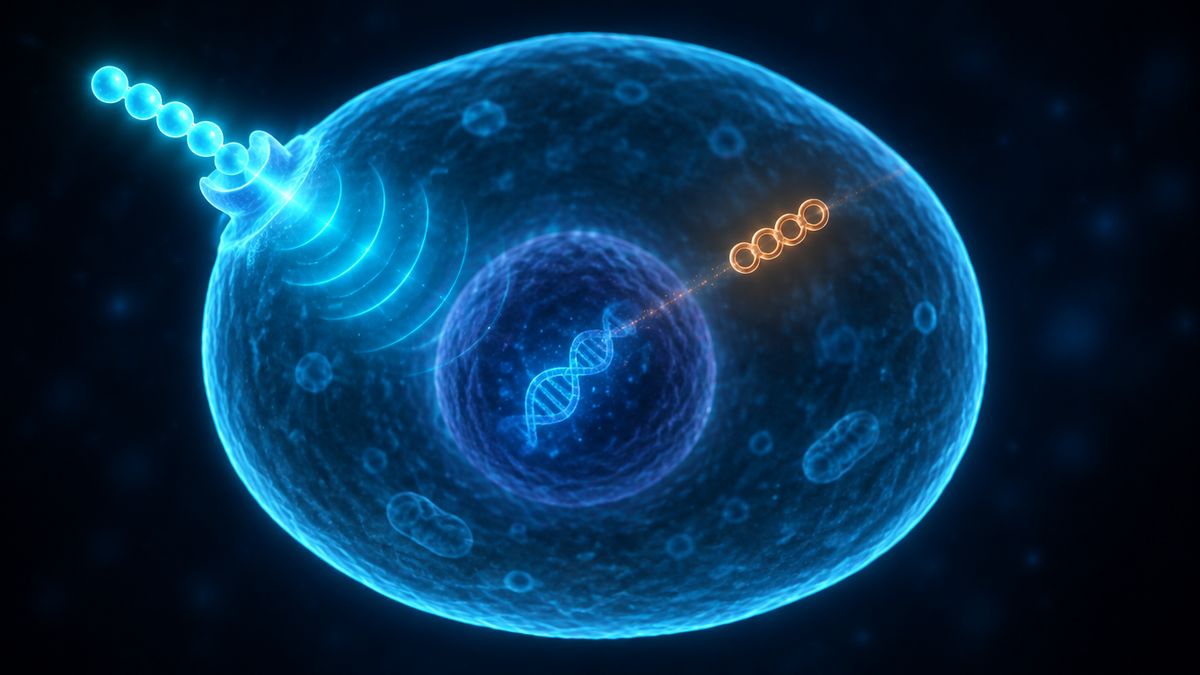
Inside, a steroid finds its receptor waiting. This one works like a switch. Together they reach the DNA, the cell's recipe book, and turn certain genes on.
What scientists have found
In cells: Peptide hormones are masters of remote control. They work through receptors on the cell's surface, and a second messenger carries the signal inside.
Steroid hormones go inside the cell. The hormone and its receptor latch onto DNA. That starts the copying of a gene's recipe, so the cell can build something new.
In animals: The peptide story starts with a famous breakthrough. In 1921, studies in dogs helped a team in Toronto pull insulin out of the pancreas. That opened the door to using it for diabetes.
For steroids, rats gave a big clue. Starting in 1956, a scientist in Chicago tagged estrogen with a faint radioactive marker.
In young rats, most tissues let it go fast. But tissues that respond to estrogen held on tight. The hormone turned up in the nucleus, the cell's control room, where genes live.
Later work showed why. Estrogen grabs a receptor inside the cell. Together they move to the nucleus and turn on genes. Receptors like this were later found for testosterone and cortisol-type hormones, too.
In people: In January 1922, a teenager in Toronto became the first person to get insulin as a treatment for diabetes. It was a turning point for peptide medicine.
In 1953, oxytocin became the first peptide hormone to have its order of beads worked out. The same scientist also made it in the lab, earning a 1955 Nobel Prize.
Steroids reached medicine around then, too. In the late 1940s, cortisone medicines were used for rheumatoid arthritis and other inflammation, the body's swelling response. They were based on hormones from the adrenal glands.
Where it stands
So why the mix-up? Both are hormones, and both appear on the World Anti-Doping Agency's banned list, in separate sections.
In everyday talk, "steroids" often means anabolic steroids. These are man-made substances similar to testosterone. Cortisone-type medicines are steroids too, from a different branch of the family.
Both families have given medicine lasting tools. Insulin, the peptide hero of 1922, is still used today. Cortisone-type shots are still given for swollen joints.
Scientists keep studying how each doorbell and switch shapes what a cell does. Peptide doorbells are an exciting place to look.
The bottom line
- Peptides are short chains of amino acids. Steroids are ring-shaped molecules made from cholesterol.
- Peptides ring a doorbell on the outside of the cell. A relay runner carries the news inside. Steroids slip inside and flip switches near the DNA.
- Peptides gave medicine one of its greatest firsts, insulin. Scientists are still exploring how peptide doorbells shape what cells do.
FAQ
Questions people ask
- Are peptides steroids?
- No, and they are quite different. Peptides are chains of amino acids, like beads on a bracelet. Steroids are ring-shaped molecules your body makes from cholesterol.
- What is the difference between peptide and steroid hormones?
- Peptide hormones work from the outside. They press a receptor on the cell's surface, and a helper molecule relays the message inside. Steroid hormones slip through the cell's oily skin and work with receptors that turn genes on.
- Is insulin a peptide or a steroid?
- Insulin is a chain of amino acids, so it sits on the peptide side, not the steroid side. It is long enough that some books call it a small protein. In 1922, a teenager in Toronto became the first person treated with it for diabetes.
- Is oxytocin a peptide?
- Yes. Oxytocin is a peptide hormone. In 1953, it became the first peptide hormone to have its order of amino acids worked out, and the same scientist also made it in the lab.
Sources8
- Anatomy and Physiology 2e, Section 17.2: Hormones · OpenStax, Rice University, 2022
- Anatomy and Physiology 2e, Section 17.6: The Adrenal Glands · OpenStax, Rice University, 2022
- Nuclear hormone receptors: 2004 Albert Lasker Basic Medical Research Award (Pierre Chambon, Ronald Evans, Elwood Jensen) · Lasker Foundation, 2004
- The “miracle” discovery that reversed the diabetes death sentence · NobelPrize.org (Nobel Prize Outreach), 2024
- Vincent du Vigneaud: Facts (Nobel Prize in Chemistry 1955) · NobelPrize.org (Nobel Prize Outreach), 1955
- Philip S. Hench: Facts (Nobel Prize in Physiology or Medicine 1950) · NobelPrize.org (Nobel Prize Outreach), 1950
- World Anti-Doping Code International Standard: Prohibited List 2026 · World Anti-Doping Agency (WADA), 2026
- Anabolic Steroids and Other Appearance and Performance Enhancing Drugs (APEDs) · National Institute on Drug Abuse (NIDA), NIH, 2023
Education only. Not medical advice. The Cell Brief summarises published research for general education. It is not medical advice, and nothing here is a recommendation to use any compound.
One brief a week
One brief per compound. Unsubscribe anytime.